

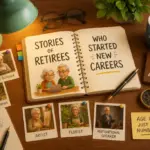


Inspiring Journeys: Retirees Embracing New Careers
Many retirees find themselves in a position to explore new careers, often driven by a desire for fulfillment, financial stability, or a longing to stay active. The stories of these individuals showcase not only their resilience but also their ability to adapt to changing circumstances. Whether it is a former teacher becoming a consultant or an engineer pursuing a passion for painting, their journeys illustrate that it is never too late to start anew. This article explores diverse stories of retirees who have embarked on exciting new careers, along with tips to inspire others to take the leap.
- Many retirees find fulfillment in pursuing new careers that align with their passions.
- Networking and continuous learning are key for success in a new career after retirement.
- Embracing change can lead to unexpected opportunities and personal growth.
Success Stories: Real-Life Examples
Consider the story of Linda, a 65-year-old retired nurse who discovered a passion for gardening. After years of helping others heal, she decided to start a landscaping business. Linda began by designing gardens for friends and family. Word spread quickly, and soon she had a steady stream of clients. She took online courses to learn more about plant care and environment design, which further enhanced her skills. Today, she runs a successful business and finds joy in transforming outdoor spaces.
Next, meet Tom, a former accountant who, after retiring, pursued his love for woodworking. He started by making furniture for his own home. His creations caught the attention of friends, leading him to open an online store. Tom dedicated time to improving his techniques through workshops and online tutorials. He now sells custom pieces and enjoys sharing his knowledge with others through classes.
The Importance of Passion in New Endeavors
Passion plays a vital role in the success of retirees starting new careers. When individuals pursue work they love, they are often more motivated and willing to overcome challenges. This enthusiasm can set them apart in competitive markets. For instance, Sarah, who spent 30 years as a corporate lawyer, found her true calling in writing. After retiring, she published a series of children’s books, drawing from her experiences to create relatable characters. Her storytelling not only resonated with kids but also gave her a fresh purpose.
To identify a passion, retirees can ask themselves questions like:
- What activities make me lose track of time?
- What skills have I always wanted to develop?
- What legacy do I want to leave behind?
Consider volunteering in areas of interest to gain experience and build connections before committing to a new career.
Managing the Challenges of Starting Over
Transitioning to a new career can be challenging, especially for retirees who may feel apprehensive about re-entering the workforce. Many face obstacles such as ageism or lack of current skills. However, confronting these challenges is essential for personal growth. For example, George, a retired engineer, faced skepticism when he decided to become a tech consultant. He enrolled in coding boot camps to update his skills. Through persistence and networking, he landed projects that valued his extensive experience and fresh perspective.
Retirees can adopt various strategies to overcome challenges:
- Stay updated with industry trends through online courses and workshops.
- Network with professionals in the desired field for guidance and support.
- Consider part-time or freelance work to ease into the transition.
Building Connections: The Power of Networking
Networking is a key component in finding success in a new career. Retirees should leverage existing connections and seek new ones. Joining local community groups, online forums, or professional associations can open doors to opportunities. For instance, Maria, a retired school principal, joined an educational non-profit organization. Through her volunteer work, she met individuals who encouraged her to apply for a consulting position. Her connections not only helped her land the job but also provided ongoing support in her new role.
To effectively network, retirees can:
- Attend workshops and seminars relevant to their interests.
- Engage on social media platforms like LinkedIn.
- Reach out to former colleagues for informational interviews.
Learning New Skills: Continuous Education
Continuous education is vital for retirees looking to start new careers. Learning new skills not only enhances marketability but also boosts confidence. Many online platforms, such as Coursera and Udemy, offer courses tailored for adult learners. Take, for example, Bill, a retired military officer who wanted to transition into a civilian role in project management. He enrolled in a certification program and dedicated weekends to studying. His commitment paid off, as he secured a position within months of completing his training.
Retirees should explore various avenues for learning:
- Community colleges often offer affordable classes.
- Webinars and online workshops can provide valuable insights.
- Local libraries frequently host free educational events.
Creating a Supportive Environment
Support from family and friends is important for retirees starting on new careers. A positive environment can instill confidence and provide motivation. For example, Nancy, who started a photography business, found encouragement from her husband and children. They attended her exhibits and promoted her work on social media. Their belief in her potential helped Nancy overcome self-doubt and focus on growing her business.
Retirees should communicate their goals with loved ones. Sharing aspirations can build a sense of accountability and support. Creating a dedicated workspace at home can also help maintain focus and productivity. When individuals feel supported, they are more likely to succeed in their new ventures.
Financial Considerations for New Ventures
Starting a new career often comes with financial implications. Retirees must assess their financial situation before diving into a new venture. Budgeting for initial expenses, such as training or equipment, is essential. For instance, Frank, a former marketing executive, decided to open a consulting firm. He calculated his start-up costs and created a budget to manage his finances effectively. By keeping track of income and expenses, he ensured his new career would not jeopardize his retirement savings.
Retirees should consider these financial tips:
- Establish a budget for start-up costs.
- Consult a financial advisor for personalized advice.
- Explore grants or funding opportunities for small businesses.
Embracing Change: The Mindset Shift
Transitioning to a new career requires a mindset shift. Embracing change can lead to exciting opportunities. Retirees must be open to new experiences and challenges. For example, Jane, a retired teacher, faced fears about starting a travel blog. She pushed past her apprehensions and began sharing her adventures online. Her blog gained traction, and she now collaborates with travel companies, turning her love for travel into a fulfilling career.
To build a positive mindset, retirees can practice these strategies:
- Set realistic goals to track progress.
- Surround themselves with positive influences.
- Practice self-compassion during setbacks.
Long-Term Maintenance Tips for Success
Once retirees start their new careers, maintaining momentum is key. They should regularly evaluate their progress and adapt to changes in their field. For example, Robert, who opened a small bakery, continuously sought feedback from customers. He used their input to refine his recipes and improve customer service. This commitment to growth helped him build a loyal customer base.
To ensure long-term success, retirees can:
- Set aside time for professional development each month.
- Network regularly to stay informed about industry trends.
- Seek mentorship from others in their field.
Embracing change can lead to lasting fulfillment and purpose in retirement. By learning from the experiences of others and applying practical strategies, retirees can successfully transition into rewarding new careers.

Martina Barbieri
Founder & Editor-in-ChiefWriting from Italy, Martina Barbieri leads the editorial team at Top Success Way, applying strategic analysis and real-world case studies to deliver dependable retiree career inspiration recommendations.