


Table of Contents
- Enhancing Communication through Mindfulness
- Building Empathy with Mindful Practices
- Reducing Stress through Mindfulness Techniques
- Creating a Mindful Meeting Environment
- Incorporating Mindfulness into Team Activities
- Utilizing Technology for Mindfulness
- Fostering a Culture of Mindfulness
- Addressing Common Misconceptions About Mindfulness
- Measuring the Impact of Mindfulness on Collaboration
- Long-Term Maintenance Tips for Mindfulness Practices
Enhancing Communication through Mindfulness
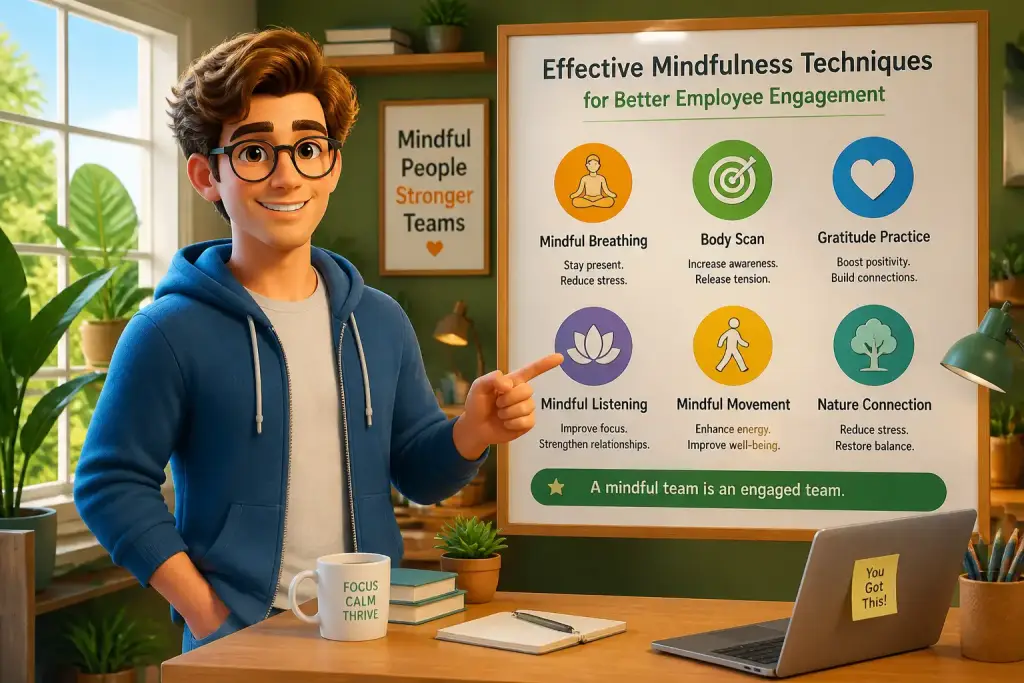
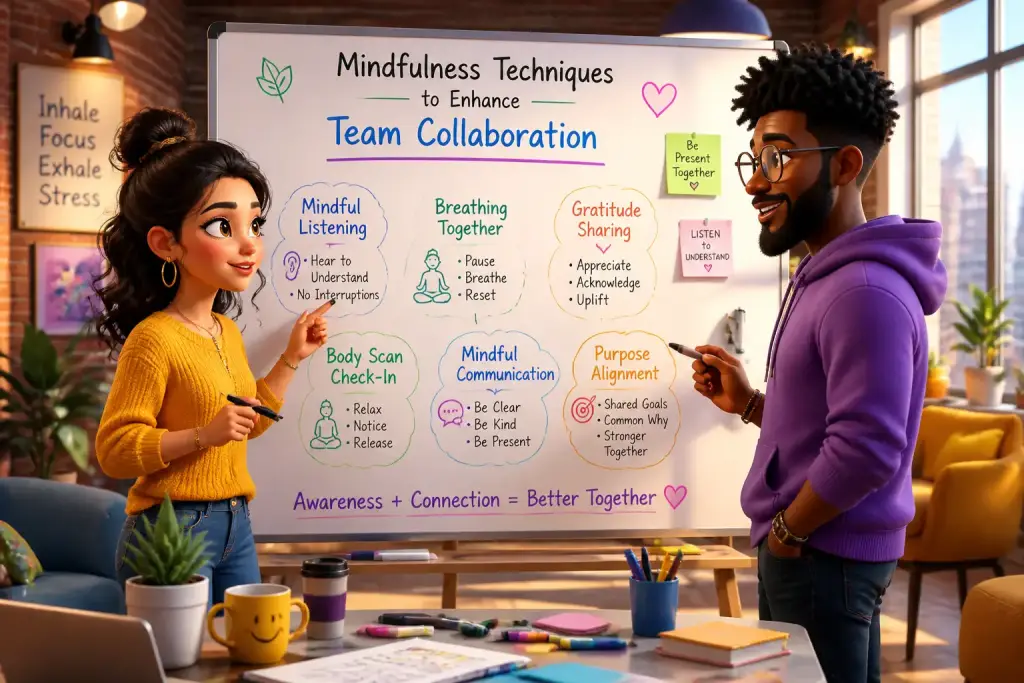
Effective communication is the cornerstone of teamwork. Mindfulness techniques can significantly enhance how team members interact with each other. By being present and fully engaged in conversations, employees can better understand each other’s perspectives. This leads to improved clarity and reduces misunderstandings.
- Mindfulness practices can improve communication and empathy among team members.
- Regular mindfulness sessions can reduce stress and increase productivity.
- Implementing simple breathing techniques can enhance focus during meetings.
One practical approach is to implement active listening exercises during meetings. Encourage each team member to listen attentively while the other speaks. This involves not only hearing the words but also paying attention to non-verbal cues. For example, body language and tone can provide additional context. After one person shares their thoughts, others can summarize what they heard before responding. This practice not only fosters respect but also ensures that everyone feels valued.
Another technique involves mindful pauses. Encourage team members to take a moment to breathe and reflect before responding in discussions. This can prevent knee-jerk reactions and promote thoughtful contributions. The result is a more considerate and cohesive team dynamic.
Building Empathy with Mindful Practices
Empathy is vital in creating a collaborative work environment. Mindfulness can cultivate this essential trait among team members. When individuals practice mindfulness, they become more aware of their own emotions and those of others. This awareness can lead to deeper connections and understanding within the team.
Consider organizing empathy-building workshops. These workshops can include guided meditations focused on compassion and understanding. During these sessions, participants can visualize themselves in each other’s situations, fostering a sense of shared experience. For instance, when a team member is facing a challenge, others can practice empathy by reflecting on similar situations they have encountered.
Additionally, implementing daily check-ins can enhance empathy. Encourage team members to share their feelings about their work and personal lives. This practice not only strengthens interpersonal bonds but also creates a more supportive atmosphere. When individuals feel supported, they are more likely to collaborate effectively.
Reducing Stress through Mindfulness Techniques
Workplace stress can hinder collaboration and productivity. Mindfulness techniques have been shown to reduce stress levels among employees, making them more effective team players. When individuals practice mindfulness, they learn how to manage their stress in healthier ways.
Introduce short mindfulness breaks throughout the workday. These breaks can include simple breathing exercises, where team members focus on their breath for a few minutes. This technique helps clear the mind and reduces anxiety. For example, before a high-stakes meeting, a five-minute breathing session can help everyone enter the room with a calm and focused mindset.
Another effective method is to provide access to mindfulness apps. There are several applications that offer guided meditations, stress-relief exercises, and mindfulness reminders. Encouraging team members to use these tools can help them develop their practice individually while contributing to a more relaxed team atmosphere.
Creating a Mindful Meeting Environment
Meetings are often a source of stress and miscommunication. By applying mindfulness techniques, teams can transform these gatherings into productive and positive experiences. A mindful meeting environment encourages participation and respect.
Start meetings with a short mindfulness session. This could involve a few minutes of silence or a breathing exercise. Allowing everyone to center themselves can result in better focus and engagement. Also, consider setting a clear agenda. When team members know what to expect, they can mentally prepare and participate more fully.
Encourage the use of “talking pieces” during discussions. A talking piece can be any object that one person holds while speaking, indicating that they have the floor. This practice promotes active listening and prevents interruptions. It also gives individuals the time to formulate their thoughts mindfully before sharing.
Encourage team members to share their mindfulness experiences to foster a supportive environment that nurtures collaboration.
Incorporating Mindfulness into Team Activities
Team-building activities are essential for collaboration. Incorporating mindfulness into these events can enhance the bonding experience. Activities that promote mindfulness encourage team members to connect on a deeper level.
Consider outdoor activities like hiking or yoga sessions. Nature has a calming effect, and practicing mindfulness in such settings can strengthen team bonds. For example, a guided nature walk that includes moments of silence can allow team members to reflect and reconnect with themselves and each other.
Another fun activity is a mindfulness challenge. Set a goal for the team to practice mindfulness daily for a week. This could include meditation, journaling, or simply taking mindful breaks. Team members can share their experiences and support each other. The camaraderie built during this challenge can lead to improved collaboration back at work.
Utilizing Technology for Mindfulness
Modern tools can support mindfulness practices in the workplace. Technology can facilitate mindfulness training and encourage ongoing practice among team members. There are various apps and platforms that provide resources for mindfulness.
Encourage the use of group meditation apps. These apps allow teams to meditate together, even from different locations. Scheduled meditation sessions can become a part of the team’s routine. Additionally, some apps offer guided sessions tailored to workplace stress, which can be beneficial.
Furthermore, consider using communication platforms to create mindfulness channels. Team members can share articles, videos, or tips related to mindfulness. This collective sharing promotes a culture of mindfulness and encourages everyone to participate.
Fostering a Culture of Mindfulness
Creating a culture of mindfulness within a team requires intentional effort. It begins with leadership. Leaders must model mindfulness practices themselves to set an example. When employees see their leaders practicing mindfulness, they are more likely to adopt similar behaviors.
Implement regular mindfulness training sessions. These can be workshops or lunch-and-learn events where team members explore various mindfulness techniques. Topics can range from stress management to emotional intelligence. Providing resources and time for training shows that the organization values mindfulness.
Recognize and celebrate mindfulness efforts. Highlight team members who actively practice and share their mindfulness journey. This recognition reinforces the importance of mindfulness and motivates others to join in. Establishing a mindfulness ambassador or committee can also help sustain and promote these practices.
Addressing Common Misconceptions About Mindfulness
Many people have misconceptions about mindfulness that can hinder its adoption in the workplace. One common belief is that mindfulness requires a lot of time and effort. In reality, even a few minutes of mindful breathing can yield significant benefits. It is about the quality of the practice rather than the quantity.
Another misconception is that mindfulness is only for individuals who are stressed or anxious. In fact, mindfulness can enhance overall well-being for everyone, regardless of their current state. Encourage team members to view mindfulness as a tool for personal and professional growth.
Lastly, some may think that mindfulness is a solitary practice. However, it can be a shared experience. Group activities, discussions, and challenges can bring teams together. By addressing these misconceptions, teams can create a more inclusive and supportive environment for mindfulness practices.
Measuring the Impact of Mindfulness on Collaboration
To understand the effectiveness of mindfulness techniques, it is essential to measure their impact on collaboration. Begin by setting clear objectives. What specific improvements are you hoping to see? These could include enhanced communication, reduced conflict, or increased productivity.
Conduct regular surveys to gather feedback from team members. Questions can focus on their experiences with mindfulness practices and how they believe these practices have affected their work relationships. Tracking changes in team dynamics over time can provide valuable insights.
Additionally, observe changes in performance metrics. Are teams completing projects more efficiently? Are there fewer misunderstandings during meetings? Analyzing these metrics can help determine the return on investment of mindfulness initiatives. Continuous evaluation enables teams to adapt and improve their mindfulness strategies.
Long-Term Maintenance Tips for Mindfulness Practices
Sustaining mindfulness in the workplace requires ongoing commitment and effort. Here are some effective strategies to maintain these practices over time.
- Schedule regular mindfulness sessions. Consistency is key. Consider setting aside time each week for team mindfulness activities.
- Encourage individual practice. Remind team members to incorporate mindfulness into their daily routines. Simple reminders or resources can help.
- Foster open discussions about mindfulness. Create safe spaces for team members to share their experiences and challenges. This can help reinforce the practice.
- Evaluate and adapt. Periodically assess the effectiveness of mindfulness initiatives. Be open to adjusting practices based on team feedback and changing needs.
By following these maintenance tips, teams can create a lasting culture of mindfulness that enhances collaboration and overall workplace well-being.

Davide Esposito
Founder & Editor-in-ChiefBorn and raised in Italy, Davide Esposito is the founder and lead editor of Success Mindfulness, combining hands-on research with practical mindful leadership strategies to help readers make informed everyday decisions.