


Table of Contents
- Unlocking Creativity through Mindfulness
- Why Mindfulness Matters for Your Daily Routine
- The Connection Between Mindfulness and Creativity
- Practical Mindfulness Techniques for Creativity
- Incorporating Mindfulness into Your Daily Routine
- The Role of Meditation in Enhancing Creativity
- Mindfulness and Overcoming Creative Blocks
- Creating a Mindful Environment for Creativity
- Long-Term Benefits of Mindfulness for Creativity
- Common Mistakes to Avoid with Mindfulness
- Where to Find Resources for Mindfulness and Creativity
Unlocking Creativity through Mindfulness
Mindfulness is a powerful tool that helps individuals tap into their creativity. By paying attention to the present moment, one can clear their mind of distractions and allow new ideas to flow. When you cultivate mindfulness, you become more aware of your thoughts and emotions. This awareness can lead to better problem-solving and innovative thinking. Today, many artists, writers, and entrepreneurs use mindfulness techniques to enhance their creative processes.
- Mindfulness practices can enhance focus and reduce distractions.
- Regular meditation can lead to improved creative thinking.
- Simple mindfulness exercises can easily fit into daily routines.
Practicing mindfulness enables you to step back from your busy thoughts. This pause can create a space where fresh ideas can emerge. Instead of rushing through tasks or feeling overwhelmed, mindfulness encourages a calm state of mind. It is this tranquility that often fuels creativity, allowing your imagination to explore new possibilities without judgment.
In this article, we will explore various mindfulness techniques and how they can be integrated into your daily life to boost creativity.
Why Mindfulness Matters for Your Daily Routine
Mindfulness is the practice of being fully present in the moment. It involves observing your thoughts and feelings without judgment. This concept originates from ancient meditation practices, particularly in Buddhism. However, in modern life, it has been adapted to help with stress management and personal development.
The essence of mindfulness lies in awareness. When you engage in mindfulness, you train your brain to focus on what is happening right now. This can include your physical sensations, your thoughts, or the environment around you. By honing this skill, you can improve your creativity since many creative blocks stem from distractions or stress.
Learning mindfulness can be as simple as taking a few deep breaths or practicing meditation. The key is consistency. As you cultivate mindfulness, you will notice a shift in your creative abilities.
The Connection Between Mindfulness and Creativity
Research shows a strong link between mindfulness and enhanced creativity. When you practice mindfulness, you reduce stress and anxiety, which often hinder creative thinking. This reduction allows your brain to function more freely, leading to innovative ideas. A relaxed mind is more open to exploring new concepts and making unique connections.
Moreover, mindfulness encourages divergent thinking. This is the ability to generate multiple ideas from a single prompt. For example, when faced with a problem, a mindful approach allows you to brainstorm various solutions rather than fixating on one path. This flexibility is essential in creative endeavors.
In summary, mindfulness not only calms the mind but also fosters an environment where creativity can thrive. By developing this practice, you can unlock a wealth of creative potential.
Practical Mindfulness Techniques for Creativity
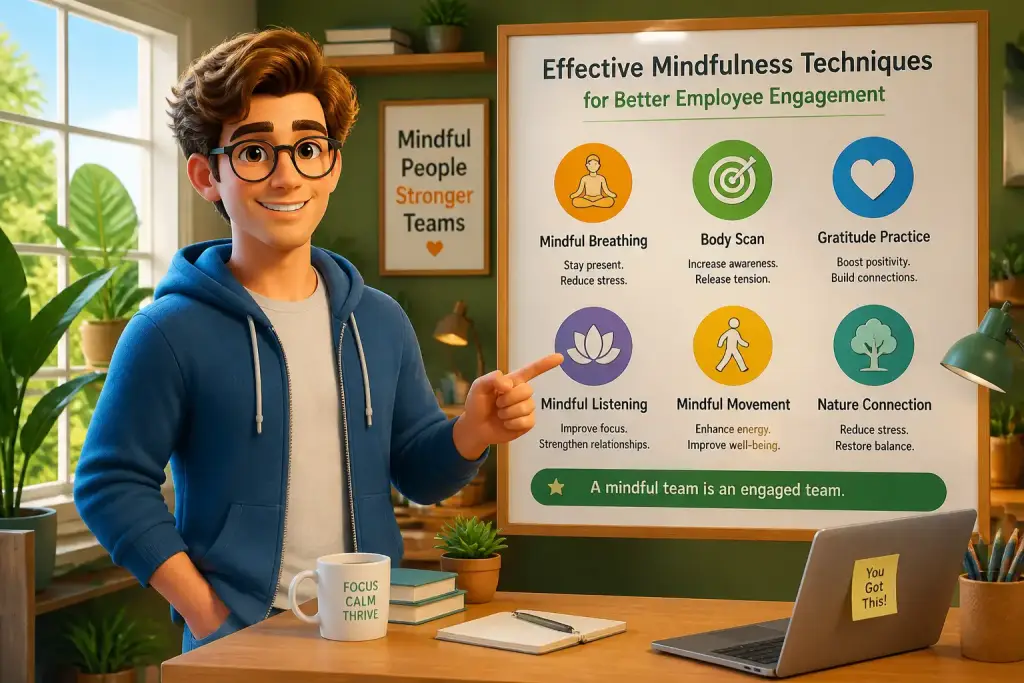
To effectively use mindfulness for increasing creativity, consider the following techniques:
- Breathing Exercises: Focus on your breath for a few minutes. Inhale deeply, hold for a moment, and exhale slowly. This practice centers your mind and prepares it for creative thinking.
- Body Scan: Lie down or sit comfortably. Gradually bring your attention to each part of your body, starting from your toes to your head. This technique helps increase bodily awareness and relaxes tension, which can block creativity.
- Mindful Observation: Take a moment to observe your surroundings. Notice colors, shapes, and sounds. This practice enhances your ability to notice details, which can inspire creative ideas.
Integrating these techniques into your daily routine can significantly boost your creative output. The key is to practice regularly and remain patient with yourself.
Set aside just five minutes each day for mindfulness practice to gradually improve your creativity and focus over time.
Incorporating Mindfulness into Your Daily Routine
Making mindfulness a part of your everyday life does not require hours of commitment. Here are some simple ways to incorporate it:
- Morning Ritual: Start your day with a brief mindfulness session. Spend five to ten minutes focusing on your breath or practicing gratitude.
- Mindful Commute: If you use public transport, use that time to practice mindfulness. Focus on your breathing or observe the world around you.
- Evening Reflection: Before bed, take a few moments to reflect on your day. What moments were you most present? This reflection can enhance your awareness over time.
Each of these practices can help you maintain a mindful mindset throughout the day, fostering creativity in both personal and professional settings.
The Role of Meditation in Enhancing Creativity
Meditation is a core component of mindfulness. Regular meditation practice can significantly enhance your creative abilities. Research shows that even short sessions of meditation can improve focus and cognitive flexibility, both essential for creative thought.
There are various forms of meditation, each offering unique benefits. For instance, guided meditation can help you visualize creative outcomes, while mindfulness meditation encourages you to let thoughts flow without attachment. Experimenting with different styles can help you find the best fit for fostering creativity.
Even a few minutes of meditation each day can lead to long-term benefits. Over time, you may find that your creative blocks diminish, and new ideas flow more freely.
Mindfulness and Overcoming Creative Blocks
Creative blocks can be frustrating and disheartening. Fortunately, mindfulness offers tools to overcome these obstacles. When you feel stuck, practicing mindfulness can help you step back and gain perspective. This pause allows you to assess your thoughts without judgment.
One effective technique is to acknowledge the block without resisting it. Accepting that you are experiencing a creative block is the first step toward overcoming it. From there, you can use mindfulness practices such as deep breathing or visualization to shift your mindset.
Additionally, try reframing your thoughts. Instead of saying, “I can’t be creative right now,” rephrase it to “I am allowing my creativity to emerge.” This small shift in language can have a powerful impact on your mindset.
Creating a Mindful Environment for Creativity
Your environment plays a significant role in your ability to be mindful and creative. A cluttered or chaotic space can lead to distractions and stress. Here are a few tips to create a more mindful environment:
- Declutter: Organize your workspace and remove unnecessary items. A clean space can help clear your mind.
- Incorporate Nature: Add plants or natural elements to your environment. Studies show that nature can enhance creativity and reduce stress.
- Limit Distractions: Identify and minimize distractions. This could mean turning off notifications or creating a designated quiet space.
By fostering a mindful environment, you create a space that is conducive to creativity and focused thinking.
Long-Term Benefits of Mindfulness for Creativity
Practicing mindfulness has numerous long-term benefits that extend beyond immediate creativity boosts. Regular mindfulness practice can improve mental clarity, emotional resilience, and overall well-being. These benefits contribute to a more sustainable creative practice.
As you continue to incorporate mindfulness into your life, you may notice changes in how you approach challenges. Instead of feeling overwhelmed, you might respond with calmness and creativity. This shift in mindset is invaluable for artists, writers, and anyone who relies on creative thinking.
Ultimately, the long-term impact of mindfulness on creativity can lead to increased productivity and satisfaction in your work. As you develop this practice, you can cultivate a more fulfilling creative life.
Common Mistakes to Avoid with Mindfulness
While mindfulness is a simple concept, many people make common mistakes when trying to incorporate it into their lives. Here are a few pitfalls to avoid:
- Expecting Instant Results: Mindfulness is a skill that takes time to develop. Be patient with yourself and recognize that progress may be gradual.
- Overthinking the Process: Mindfulness should be an effortless practice. If you find yourself overanalyzing or trying too hard, take a step back and breathe.
- Neglecting Consistency: Like any skill, mindfulness requires regular practice. Set aside time each day to engage in mindfulness activities.
Avoiding these common mistakes can help you build a more effective mindfulness practice that enhances your creativity.
Where to Find Resources for Mindfulness and Creativity
Many resources are available to help you on your mindfulness journey. Here are some suggestions:
- Apps: Consider using mindfulness apps like Headspace or Calm that offer guided meditations and mindfulness exercises.
- Books: Look for books on mindfulness and creativity. Titles like “The Artist’s Way” by Julia Cameron provide practical exercises to enhance your creative process.
- Online Courses: Websites like Coursera and Udemy offer courses on mindfulness and its connection to creativity.
These resources can provide valuable support as you integrate mindfulness into your creative practice. Remember, the journey of mindfulness is personal and unique to each individual.

Davide Esposito
Founder & Editor-in-ChiefBorn and raised in Italy, Davide Esposito is the founder and lead editor of Success Mindfulness, combining hands-on research with practical mindful leadership strategies to help readers make informed everyday decisions.