


Table of Contents
- Why Mindfulness Matters for Executives
- Getting Started with Mindfulness
- Types of Mindfulness Practices
- Creating a Mindfulness Routine
- Mindfulness Techniques for Stress Reduction
- Enhancing Decision-Making Skills
- Mindfulness and Emotional Intelligence
- Building a Mindful Workplace Culture
- Measuring the Impact of Mindfulness
- Common Pitfalls to Avoid
Why Mindfulness Matters for Executives
Mindfulness for executives is not just a trend; it is a vital practice that significantly enhances leadership capabilities. With the pressures of decision-making and team management, executives often face high levels of stress. Mindfulness helps in creating a mental space to reduce this stress. By focusing on the present moment, leaders can improve their clarity of thought and emotional intelligence. This leads to better communication and relationships with their teams, which is essential in today’s fast-paced business environment.
- Mindfulness enhances decision-making and reduces stress for executives.
- Daily practice of mindfulness can improve emotional intelligence and leadership skills.
- Implementing mindfulness techniques can lead to better workplace relationships and productivity.
Moreover, mindfulness fosters resilience. The challenges executives face can be overwhelming. Practicing mindfulness allows them to respond to problems with a calm mind rather than react impulsively. This shift in perspective can transform a leader’s effectiveness and influence within their organization.
Lastly, engaging in mindfulness practices can enhance overall well-being. A balanced leader is more likely to inspire and motivate their team. When executives take care of their mental health, they set a positive example, creating a culture of well-being within the workplace.
Getting Started with Mindfulness
Beginning a mindfulness practice is easier than it sounds. The first step is to set aside dedicated time each day. Start small, perhaps with just five minutes in the morning or evening. This consistent practice creates a habit over time. Choose a quiet place where you won’t be disturbed. This environment helps minimize distractions.
Next, focus on your breathing. Take deep, slow breaths. Inhale through your nose, allowing your abdomen to expand, and then exhale through your mouth. Concentrate on the sensation of your breath entering and leaving your body. If your mind wanders, gently bring your focus back to your breath without judgment.
As you grow more comfortable, you can explore other mindfulness techniques such as guided meditations or mindfulness apps. These tools can provide structure and support as you develop your practice.
Types of Mindfulness Practices
There are various mindfulness practices tailored for executives. Each practice offers unique benefits and can fit different lifestyles. Here are some popular types:
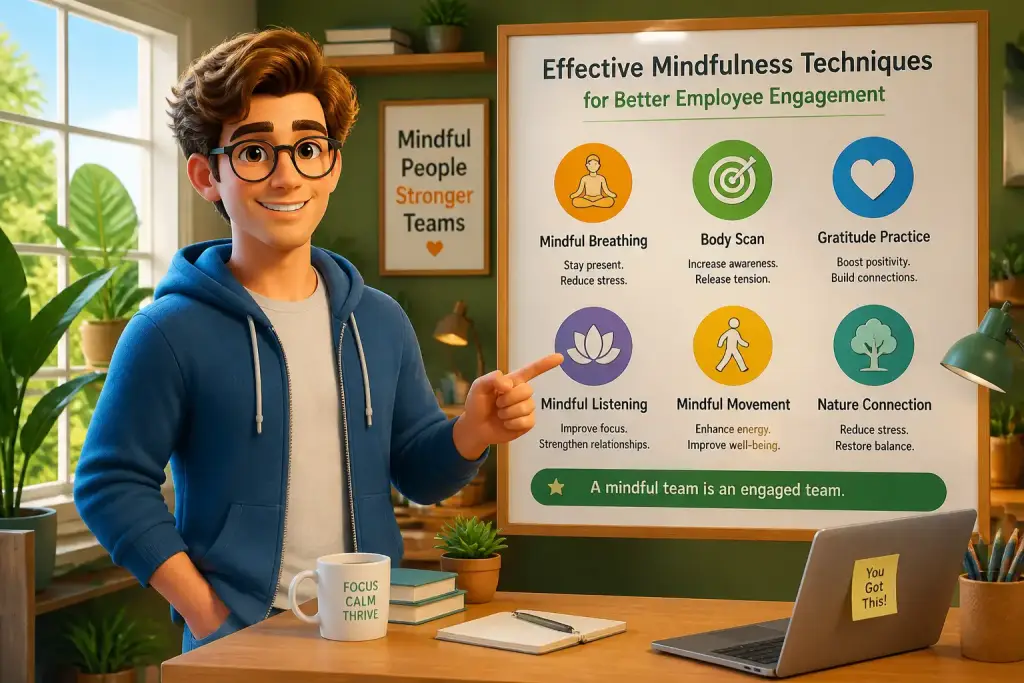
- Breathing Exercises: Simple yet effective, these exercises help ground you in the present moment. They are ideal for quick stress relief during a busy day.
- Body Scan: This practice involves mentally scanning your body from head to toe, noticing any tension or discomfort. It promotes relaxation and awareness of physical sensations.
- Mindful Walking: Use walking as a form of meditation. Focus on each step, the feeling of your feet on the ground, and the rhythm of your breath.
- Guided Meditations: Utilize apps or online resources to find guided sessions that fit your schedule. These can provide direction and structure.
Experiment with different practices to find what resonates with you. Consistency is key, so choose a method that you can easily incorporate into your daily routine.
Creating a Mindfulness Routine
Establishing a mindfulness routine is vital for long-term success. Start by scheduling specific times daily for your practice. Mornings can be beneficial to prepare for the day ahead, while evenings can help you unwind. Set reminders on your calendar to keep your commitment.
Consider pairing mindfulness with another daily activity. For instance, practice mindful breathing during your commute or engage in mindful eating during lunch. This creates opportunities to integrate mindfulness into your life seamlessly.
Track your progress. Keeping a mindfulness journal can help you reflect on your experiences. Write down how you feel before and after each session. Over time, you will notice patterns and improvements in your mood and focus.
Start with just five minutes of mindfulness each day and gradually increase the duration as you become more comfortable with the practice.
Mindfulness Techniques for Stress Reduction
Executives often face high-pressure situations that can lead to stress. Mindfulness offers effective techniques for managing these feelings. One technique is the practice of gratitude. Each day, write down three things you are grateful for. This shifts your focus from stressors to positive aspects of your life.
Another technique is visualization. Take a moment to close your eyes and visualize a peaceful scene, such as a beach or a quiet forest. This can help reduce anxiety and promote relaxation.
Mindful listening is also essential. During meetings, focus entirely on the speaker without planning your response. This practice improves communication and reduces misunderstandings, which can be a source of stress.
Enhancing Decision-Making Skills
Mindfulness can significantly enhance decision-making skills for executives. When faced with a choice, take a moment to breathe and center yourself. This pause allows for clearer thinking. Instead of reacting based on emotions or stress, mindful awareness encourages thoughtful responses.
Furthermore, practice considering multiple perspectives. Before making a decision, think about the impact on different stakeholders. This broader view can lead to more informed and well-rounded decisions.
Incorporating mindfulness into brainstorming sessions can also be beneficial. Encourage team members to share ideas without judgment. This open environment fosters creativity and collaboration, leading to better outcomes.
Mindfulness and Emotional Intelligence
Emotional intelligence is a critical skill for effective leadership. Mindfulness enhances this ability by promoting self-awareness and empathy. By being present in the moment, executives can better understand their emotions and reactions. This awareness allows for more thoughtful responses to challenging situations.
Practicing active listening is another way mindfulness supports emotional intelligence. When you listen with full attention, you validate the speaker’s feelings and concerns. This builds trust and strengthens relationships within your team.
Consider taking mindfulness-based emotional intelligence courses. These courses can provide valuable tools and techniques to enhance your emotional awareness and improve leadership effectiveness.
Building a Mindful Workplace Culture
As an executive, promoting mindfulness within your organization can lead to a more positive workplace culture. Start by leading by example. Share your mindfulness practice with your team and encourage them to participate. This can create a supportive environment where everyone feels comfortable exploring mindfulness.
Implement mindfulness workshops or training sessions. These can introduce employees to mindfulness techniques and demonstrate their benefits. Regular check-ins can maintain momentum and foster ongoing discussions about mindfulness.
Create designated quiet spaces in the office for mindfulness practices. These spaces can be used for meditation, relaxation, or simply taking a break. By facilitating an environment conducive to mindfulness, you encourage employees to prioritize their mental well-being.
Measuring the Impact of Mindfulness
Tracking the effectiveness of your mindfulness practice is essential. Consider using surveys to gather feedback from your team. Ask questions about stress levels, focus, and overall job satisfaction. This data can provide insights into how mindfulness is influencing workplace dynamics.
Set measurable goals for your mindfulness initiatives. For example, aim to reduce stress-related absenteeism or improve employee engagement scores. Regularly review these metrics to assess progress and make necessary adjustments.
Encourage personal reflection as well. Create a platform for employees to share their mindfulness journey and experiences. This exchange of stories can inspire others and highlight the positive impacts of mindfulness on productivity and morale.
Common Pitfalls to Avoid
While starting a mindfulness practice is beneficial, several common pitfalls can hinder progress. One mistake is expecting immediate results. Mindfulness is a skill that takes time to develop. Be patient and allow yourself to grow into the practice.
Another pitfall is inconsistency. Skipping sessions can disrupt the flow of your practice. Set a schedule and stick to it as much as possible. If you miss a day, simply return to your practice without self-judgment.
Lastly, avoid overcomplicating the practice. Mindfulness does not require elaborate rituals or settings. Simple breathing exercises or short moments of awareness can be incredibly effective. Keep it straightforward and enjoyable.

Davide Esposito
Founder & Editor-in-ChiefBorn and raised in Italy, Davide Esposito is the founder and lead editor of Success Mindfulness, combining hands-on research with practical mindful leadership strategies to help readers make informed everyday decisions.