






Why Communication Skills Matter
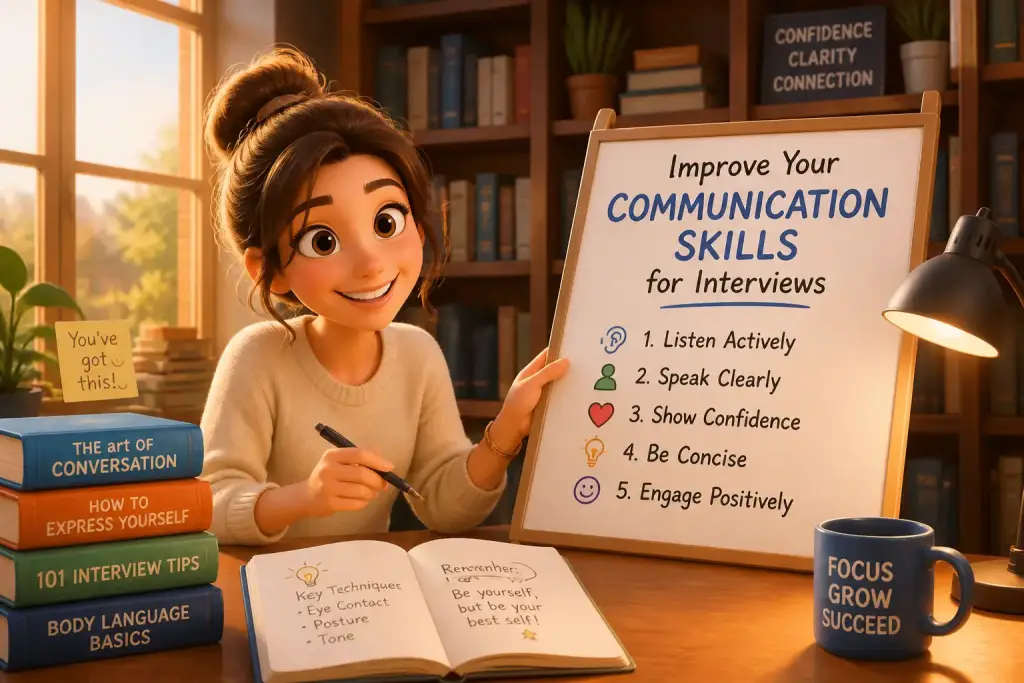
Strong communication skills are vital in interviews. They help you express your thoughts clearly and build rapport with interviewers. Employers look for candidates who can articulate their ideas effectively. This skill is important for teamwork and collaboration in the workplace. When you communicate well, you leave a positive impression and demonstrate your ability to fit into the company culture.
- Practice active listening to ensure clear understanding during interviews.
- Use the STAR method to structure responses effectively.
- Prepare specific examples to illustrate your skills and experience.
In today’s competitive job market, having excellent communication abilities can set you apart. Many applicants may have similar qualifications, but those who communicate their strengths effectively often get hired. Good communication can also help you handle difficult questions and unexpected situations during interviews.
Employers want to see how you present yourself and how well you listen. Communication is a two-way street. It includes speaking and listening. Both are essential for a successful interview. By improving your communication skills, you increase your chances of landing the job you desire.
Active Listening Techniques
Active listening is more than just hearing words. It involves understanding, interpreting, and responding thoughtfully. This technique is important in interviews. When you listen actively, you can provide better answers and show that you are engaged. Here are some active listening techniques to practice:
- Maintain Eye Contact: This shows the interviewer you are focused and interested in the conversation.
- Paraphrase: Repeat back what the interviewer has said. This confirms your understanding and gives them a chance to clarify.
- Ask Questions: Inquire about points that interest you. This demonstrates your engagement and helps you gain more information.
Practicing these techniques can make a significant difference. Consider role-playing with a friend. They can ask you common interview questions while you practice listening and responding. This practice will refine your skills and boost your confidence.
Non-Verbal Communication
Non-verbal communication includes body language, facial expressions, and posture. It plays a significant role in how your message is received. Positive body language can make you appear more confident and approachable. Here are some tips to improve your non-verbal communication:
- Posture: Sit up straight. Good posture conveys confidence.
- Gestures: Use hand movements to emphasize points. Avoid overdoing it, as it can be distracting.
- Facial Expressions: Smile and show enthusiasm. This helps create a friendly atmosphere.
Be aware of your non-verbal cues during the interview. Practice in front of a mirror to see how you present yourself. Remember, your body language can reinforce your verbal messages. Strong non-verbal communication can enhance your overall presentation.
Preparing for Common Interview Questions
Preparation is key to a successful interview. Familiarize yourself with common questions and think about how you would respond. Here are a few typical interview questions:
- Tell me about yourself.
- What are your strengths and weaknesses?
- Why do you want to work here?
For each question, consider using the STAR method. This stands for Situation, Task, Action, and Result. It helps you structure your answers clearly. For example, if asked about a time you faced a challenge, outline the situation, what you needed to do, the actions you took, and the outcome.
To prepare effectively, write down your answers. Practice saying them out loud. This can help you feel more comfortable during the interview. Being prepared means you can communicate your thoughts better, making a strong impression.
Rehearse your answers with a friend or in front of a mirror to boost confidence and refine your delivery.
Using the STAR Method Effectively
The STAR method is a powerful tool for answering behavioral interview questions. It helps you provide clear and concise responses. Here is how to use it:
Break Down Each Component
Situation: Set the context. Describe the situation you were in. For example, “At my last job, we faced a tight deadline on a project.”
Task: Explain what your responsibility was in that situation. “I was responsible for leading the team to meet the deadline.”
Action: Detail the actions you took. “I organized daily check-ins to monitor progress and provide support.”
Result: Share the outcome of your actions. “As a result, we completed the project on time and received positive feedback from our client.”
Practice this method with various scenarios. It can help you prepare for many interview questions. The STAR method makes it easier to communicate your experiences and achievements.
Articulating Your Skills and Experiences
Clearly articulating your skills is essential. Use specific examples to illustrate your abilities. When discussing your skills, focus on those relevant to the job you are applying for. Highlight achievements that show how you can add value to the company.
For instance, if you are applying for a sales position, discuss your previous sales achievements. Include numbers to back up your claims. “In my last role, I increased sales by 20% in six months.” This kind of detail makes your claims more credible.
Remember to connect your skills to the company’s needs. Research the company beforehand. Understand their values and goals. Tailor your responses to show how your skills align with their objectives. This preparation shows that you are not only qualified but also genuinely interested in the role.
Handling Difficult Questions
Difficult questions can arise during interviews. These might include gaps in your resume or questions about past failures. It’s essential to stay calm and composed. Here are some strategies to handle them:
- Stay Honest: If you have a gap in your employment, explain it briefly without over-emphasizing.
- Focus on Learning: If discussing a failure, emphasize what you learned from the experience.
- Keep It Positive: Always redirect the conversation back to your strengths and how you can contribute.
Practicing answers to these tough questions can help. Role-play with a friend or career coach. The more familiar you are with these types of questions, the more confident you will feel in the actual interview. Remember, the goal is to turn a potentially negative question into a positive discussion.
Building Confidence through Mock Interviews
Mock interviews are an excellent way to build confidence. They simulate the interview experience and allow you to practice your communication skills in a safe environment. Ask a friend, mentor, or career coach to conduct a mock interview with you. Provide them with a list of questions to ask.
During the mock interview, focus on your body language, tone, and clarity of speech. Pay attention to areas where you struggle. After the interview, ask for constructive feedback. This can help you identify your strengths and areas for improvement.
Rehearsing in this way reduces anxiety and helps you feel more prepared. The more you practice, the more natural the interview will feel. Confidence comes from preparation, and mock interviews are a great tool for achieving that.
Following Up After the Interview
The interview process does not end once you leave the room. Following up is an important part of communication that many candidates overlook. A thank-you email can reinforce your interest in the position and create a lasting impression.
In your email, thank the interviewer for their time. Mention specific topics discussed during the interview to personalize your message. This shows that you were engaged and attentive. It can also remind the interviewer of your fit for the role.
However, do not bombard them with emails. A single, well-crafted follow-up message is sufficient. This simple act demonstrates professionalism and reinforces your interest in the job. Following up can also keep you fresh in the interviewer’s mind as they make their decision.
Common Mistakes to Avoid
While preparing for interviews, it is helpful to know common mistakes to avoid. Here are some pitfalls to watch out for:
- Talking Too Much: Provide concise answers. Avoid rambling or going off-topic.
- Not Researching the Company: Always research the company and its culture. This knowledge helps you tailor your responses.
- Neglecting to Prepare Questions: Always prepare questions to ask the interviewer. This shows your interest and engagement.
Avoiding these mistakes can enhance your communication skills. Practice makes perfect. The more you prepare, the better you will perform. Learning from others’ mistakes can save you from making the same errors.
Long-Term Maintenance Tips
Improving communication skills is an ongoing process. Here are some long-term tips to maintain and enhance your skills:
- Join a Public Speaking Group: Groups such as Toastmasters can help you practice speaking in front of others.
- Read and Write Regularly: Reading diverse materials can improve your vocabulary and writing skills, enhancing your overall communication.
- Seek Feedback: Regularly ask for feedback from peers or mentors on your communication style and effectiveness.
Consistent practice and a willingness to learn will keep your skills sharp. Engage in conversations, attend workshops, and continually seek opportunities to improve. Communication skills are essential throughout your career, so investing time in development is always worthwhile.

Arianna Fontana
Founder & Editor-in-ChiefOriginally from Italy, Arianna Fontana is the publisher and senior editor behind Top Success Way, dedicated to strategic analysis and real-world case studies and realistic retiree career inspiration solutions.