








Flexible Learning Opportunities
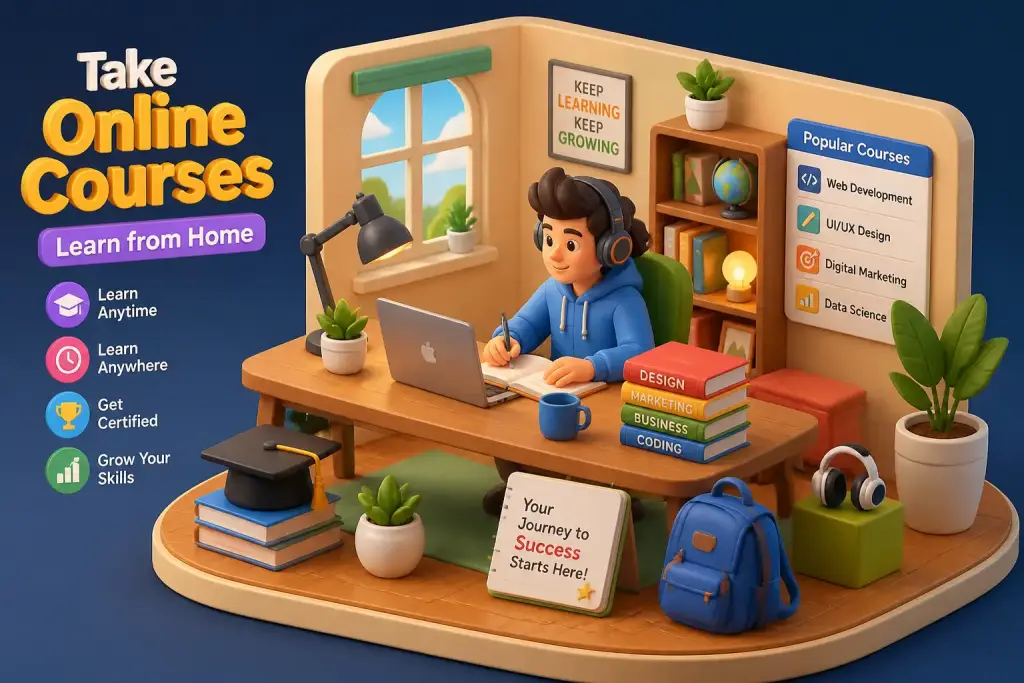
Online courses provide a unique chance to learn from home, allowing flexibility that traditional education often lacks. You can set your own schedule, making it easier to balance work, family, and personal commitments. This flexibility means you can study early in the morning, during lunch breaks, or late at night. For instance, a busy professional can take a course on project management in the evenings, fitting it around their job responsibilities.
- Online courses offer flexibility for learning at your own pace.
- Many platforms provide free courses to get started without financial commitment.
- Engaging with fellow learners enhances the online learning experience.
Many platforms offer courses ranging from a few hours to months long. This variety allows learners to pick what fits their needs best. You might find a short course on digital marketing that lasts just a week or a comprehensive program in web development that spans several months. This diversity caters to different learning styles and time commitments.
Because you can learn at your own pace, online courses accommodate various skill levels. Beginners can start with foundational courses, while advanced learners can tackle specialized topics without feeling held back. This self-directed approach encourages more meaningful engagement with the material.
Access to Diverse Subjects
The internet hosts an incredible range of online courses covering countless subjects. Whether you want to learn about graphic design, coding, or even cooking, there is likely a course available. This diversity allows you to explore both personal interests and professional skills. For example, someone interested in photography can find courses that cover everything from basic techniques to advanced editing software.
Many online platforms curate courses from top universities and industry experts. This means you can access high-quality content that might not be available locally. Websites like Coursera and edX provide courses from institutions like Stanford and MIT. These programs often include video lectures, quizzes, and peer-reviewed assignments, offering a comprehensive learning experience.
Some platforms focus on specific industries or skills. For instance, Udacity specializes in tech skills, such as data science and artificial intelligence. This specialization makes it easy to find courses that align with your career goals or personal interests.
Affordability and Free Options
Online courses are often more affordable than traditional education. Many platforms offer competitive pricing, and some even provide free courses. For learners on a budget, this means more opportunities to expand their knowledge without financial strain. Websites like Khan Academy and Alison offer a wide range of free courses to help you start learning without any cost.
Many paid courses include free trials or money-back guarantees. This allows you to explore a course before committing financially. For instance, platforms like Skillshare offer trial periods where you can access classes for free. This way, you can evaluate the quality of the content and the teaching style before making a decision.
Discounts and scholarships are also available for specific courses and programs, making online learning even more accessible. Keep an eye out for seasonal promotions or special offers from various platforms to take advantage of reduced prices.
Learning at Your Own Pace
One of the biggest advantages of online courses is the ability to learn at your own pace. This means you can spend more time on challenging topics and breeze through familiar ones. For example, if you are learning a new programming language, you might find certain concepts easy to grasp while others take longer. Online courses allow you to tailor your learning experience to your needs.
This self-paced approach is particularly beneficial for people with busy schedules. You can pause lessons, revisit materials, and take breaks as needed. This flexibility is especially helpful when balancing work or family commitments. If a personal obligation arises, you can easily adjust your learning schedule without falling behind.
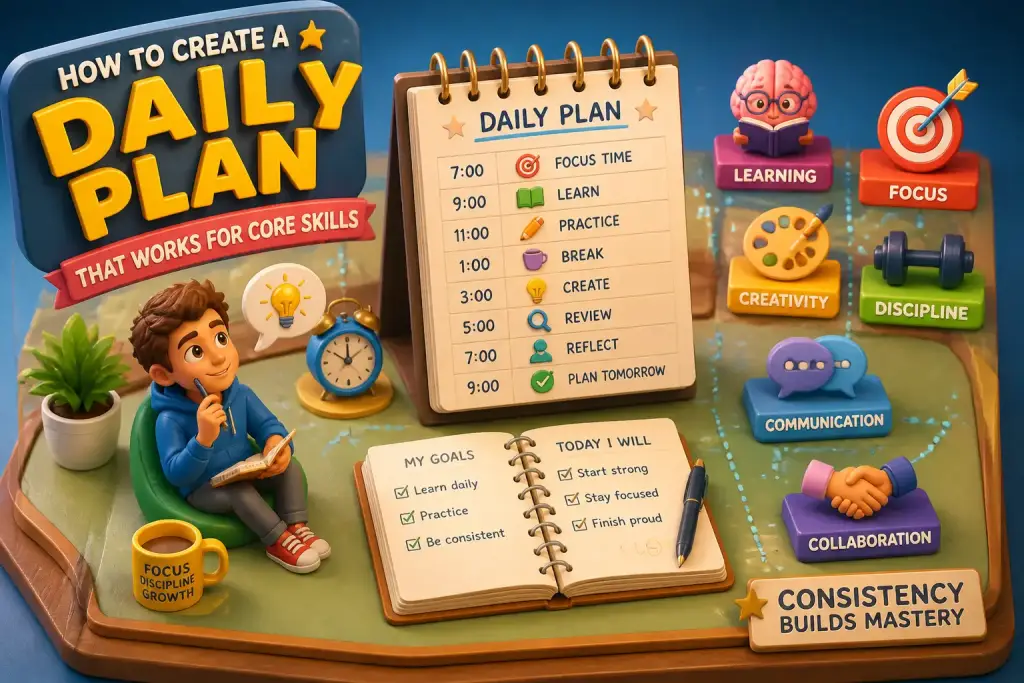
Setting personal milestones can also enhance your learning experience. By establishing goals, you can create a structured plan to guide your studies. For instance, aiming to complete a module each week can help maintain motivation and ensure steady progress.
Interactive Learning Experience
Many online courses emphasize interaction and engagement. Features like discussion forums, live Q&A sessions, and collaborative projects can enhance the learning experience. Engaging with fellow learners allows for the sharing of ideas and perspectives, which can deepen understanding. For example, platforms like Udemy provide forums where students can ask questions and share insights related to course content.
Some courses incorporate peer reviews. This means you can receive feedback on your work from fellow students. Such interactions can provide valuable insights and promote a sense of community among learners. Participating in these forums can also motivate you to stay on track and be accountable to your peers.
Live classes, where available, add another layer of interactivity. You can ask questions in real time, engage with instructors, and participate in group discussions. This dynamic environment can make learning more enjoyable and effective.
Set specific learning goals to stay motivated and track your progress while taking online courses.
Building a Professional Network
Online courses often connect you with a diverse group of learners from around the world. This exposure can help you build a professional network that may benefit your career. For instance, collaborating with peers on group projects can lead to lasting connections. You might meet someone working in your desired field or industry, which could open doors for future job opportunities.
Engaging with instructors can also be beneficial. Many instructors are industry professionals and can provide insights into job prospects, industry trends, and career advice. Participating in live sessions or office hours allows you to ask questions and gain valuable knowledge that may not be available through traditional learning methods.
Networking can extend beyond course completion. Many online platforms host alumni groups or professional associations that allow you to stay connected with peers and instructors after finishing your course. Joining these groups can keep you informed about industry news, job openings, and further learning opportunities.
Enhancing Career Opportunities
Taking online courses can significantly enhance your career prospects. Employers increasingly value continuous learning and skill development. By showcasing completed online courses on your resume or LinkedIn profile, you demonstrate your commitment to personal growth and adaptability. This can set you apart from other candidates in a competitive job market.
Many employers actively seek candidates with specific skills that online courses can provide. For example, if you complete a course in data analysis, you may qualify for positions requiring those skills. Online courses can help you pivot to a new career or advance in your current role by providing relevant knowledge and certifications.
Some online courses offer certificates upon completion. These credentials can add weight to your resume and validate your skills to potential employers. Platforms like Coursera and edX provide recognized certificates from reputable institutions, which can enhance your professional credibility.
Overcoming Common Challenges
While online courses offer many benefits, they also come with challenges. One common issue is self-discipline. Without a structured environment, some learners may struggle to stay motivated. To combat this, establish a dedicated study space and set specific learning times each week. Treat your online courses like a regular class to maintain focus.
Another challenge is the potential for distractions at home. Family, pets, or household chores can interrupt your studies. Communicating with family members about your learning schedule can help minimize interruptions. Consider using techniques like the Pomodoro technique, which involves studying for a set time followed by short breaks to maintain concentration.
Technical issues can also hinder the online learning experience. Ensure you have a reliable internet connection and familiarize yourself with the platform’s features. If you encounter problems, most platforms offer support services to help you troubleshoot issues quickly.
Long-Term Maintenance Tips
To fully benefit from online courses, it’s essential to maintain your skills over time. Continuous practice is key. Whenever you learn a new skill, find ways to apply it in real-life situations. For example, if you complete a course in graphic design, take on small projects for friends or local businesses.
Regularly revisiting course materials can help reinforce your knowledge. Many platforms allow you to re-access course content even after completion. Set aside time every few months to review what you learned. This practice can help keep your skills sharp and up to date.
Engaging with the online learning community can also enhance your long-term learning. Follow industry trends and participate in forums related to your field. This connection keeps you informed about new developments and encourages continuous growth.

Arianna Fontana
Founder & Editor-in-ChiefOriginally from Italy, Arianna Fontana is the publisher and senior editor behind Top Success Way, dedicated to strategic analysis and real-world case studies and realistic retiree career inspiration solutions.