






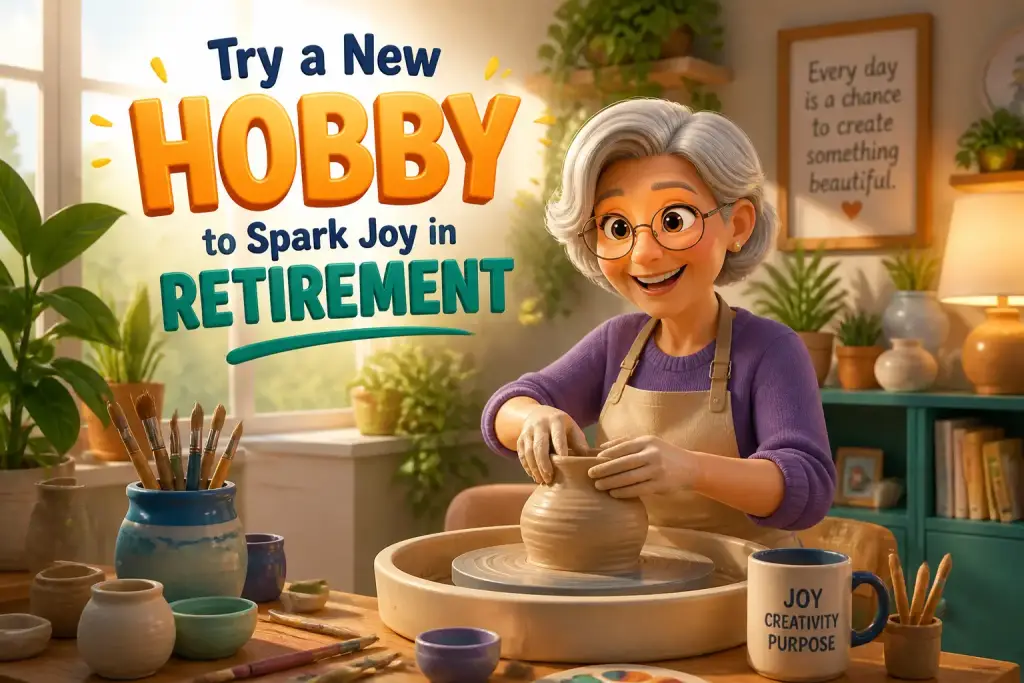
Discover New Interests and Passions
Retirement opens a door to a world of possibilities. Many people find joy in trying a new hobby as they transition into this exciting phase of life. This fresh start allows retirees to explore interests that they may have set aside during their careers. Whether it is painting, gardening, or learning a musical instrument, discovering a new hobby can lead to fulfillment and happiness. Engaging in activities that spark joy can improve one’s overall quality of life. It can also create a sense of purpose and achievement.
- Exploring new hobbies can significantly improve mental well-being and happiness during retirement.
- Engaging in group activities builds social connections, reducing feelings of loneliness.
- Choosing hobbies that align with personal interests and values increases the likelihood of sustained enjoyment.
Often, retirees have more time to explore options they have always wanted to try. This newfound time can be both liberating and overwhelming. However, the key is to focus on what truly excites you. Seeking out hobbies that resonate with your personality can turn your retirement into a vibrant chapter filled with joy.
To begin, consider what activities you enjoyed in your younger years. Maybe you loved crafting or playing sports. Revisiting these interests can help you reconnect with what you love. It can also inspire you to try something completely new.
Choosing the Right Hobby for You
Finding the right hobby is a personal journey. It is essential to reflect on what you enjoy and what you want to accomplish during your retirement years. Does the idea of being creative excite you, or do you want something more physical? To help you identify potential hobbies, ask yourself these questions:
- What activities have I enjoyed in the past?
- What skills do I want to develop or improve?
- Do I prefer indoor or outdoor activities?
- Am I looking for a solitary or social experience?
Once you answer these questions, you can create a list of hobbies that interest you. This approach can help narrow down your options and guide you toward fulfilling choices. For instance, if you love nature, consider hiking or birdwatching. If you enjoy art, explore painting or photography. Ultimately, the goal is to find something that brings you joy and satisfaction.
Benefits of Trying New Hobbies
Exploring new hobbies can have numerous benefits for retirees. Engaging in different activities can boost mental health, enhance creativity, and improve physical fitness. Here are some advantages of trying new hobbies:
- Mental Stimulation: New hobbies keep your mind active and engaged. Learning something new challenges your brain, helping to improve cognitive function.
- Social Connections: Hobbies often lead to meeting new people. Joining a class or group can create lasting friendships and reduce feelings of isolation.
- Physical Health: Many hobbies involve physical activity, which can help maintain mobility and strength. Activities like dancing, gardening, or playing sports can promote a healthier lifestyle.
These benefits can translate into a more fulfilling retirement experience. Embracing new hobbies can lead to better mental and physical health, contributing to a happier life.
Start with small, manageable projects to explore new hobbies without feeling overwhelmed or pressured.
Popular Hobbies for Retirees
Many retirees successfully find joy in a wide variety of hobbies. Some popular choices include:
Creative Arts
Painting, drawing, and crafting allow for self-expression and creativity. Many retirees enjoy taking art classes to learn new techniques and meet others who share their passion.
Gardening
Gardening not only beautifies your space but also provides physical exercise and the satisfaction of nurturing plants. Many find joy in growing flowers, fruits, and vegetables.
Cooking and Baking
Experimenting with new recipes can be a fun and rewarding hobby. Cooking can also bring family and friends together, creating cherished memories.
Music and Dance
Learning to play an instrument or taking dance lessons can be a fulfilling way to stay active and engage socially. Music builds creativity and can evoke strong emotions.
Writing
Journaling, blogging, or writing stories can be a therapeutic way to express thoughts and experiences. Many retirees enjoy sharing their stories with others.
Getting Started with a New Hobby
Starting a new hobby can feel daunting, but it does not have to be. Here are some steps to ease the transition:
- Research: Look up different hobbies online. You can find tutorials, videos, and forums that discuss various activities.
- Start Small: Choose a simple project or class to begin. Starting small helps you avoid feeling overwhelmed.
- Set Goals: Establish achievable goals for your new hobby. This can help track your progress and keep you motivated.
- Join a Group: Consider joining a local club or online community related to your new hobby. This can provide support and encouragement from others.
By following these steps, you can make the process of starting a new hobby enjoyable and fulfilling.
Finding Social Connections Through Hobbies
Social interaction is vital during retirement. Many retirees find themselves longing for companionship. Engaging in hobbies can help fill this gap by providing opportunities to meet new people. Because shared interests create bonds, participating in group activities can build lasting friendships.
Look for local clubs, classes, or community centers that offer group activities related to your hobby. This could include art classes, book clubs, or sports leagues. Volunteering is another excellent way to connect with others while giving back to the community.
Online platforms also provide ways to connect with like-minded individuals. Websites and social media groups allow you to share experiences, ask questions, and learn from others worldwide. These connections can enhance your enjoyment of your new hobbies.
Overcoming Challenges When Starting a New Hobby
Beginning a new hobby may come with challenges. You might feel self-doubt or fear of failure. However, overcoming these feelings is essential for personal growth. Here are some common challenges and how to tackle them:
- Fear of Failure: Remember that everyone starts as a beginner. Embrace mistakes as learning opportunities.
- Time Management: Balance your hobby with other responsibilities. Schedule specific times each week to dedicate to your new interest.
- Cost: Some hobbies may require investment. Look for budget-friendly alternatives, such as borrowing tools or using affordable materials.
By addressing these challenges head-on, you can create a positive experience while trying new hobbies.
Long-Term Benefits of Hobbies
Engaging in hobbies during retirement offers long-term benefits that can enhance your quality of life. Here are some lasting impacts of pursuing new interests:
- Continued Learning: Hobbies encourage continuous learning and personal development, keeping your mind sharp and engaged.
- Improved Mood: Regularly participating in enjoyable activities boosts overall happiness and helps combat feelings of loneliness or boredom.
- Enhanced Skills: As you practice your hobby, you will develop new skills that can lead to additional opportunities, such as teaching others or creating products to sell.
These benefits can lead to a richer, more fulfilling retirement experience, helping you remain active and engaged in life.
Incorporating Hobbies into Daily Life
Integrating hobbies into your daily routine can be a rewarding experience. Here are some practical tips to make it easier:
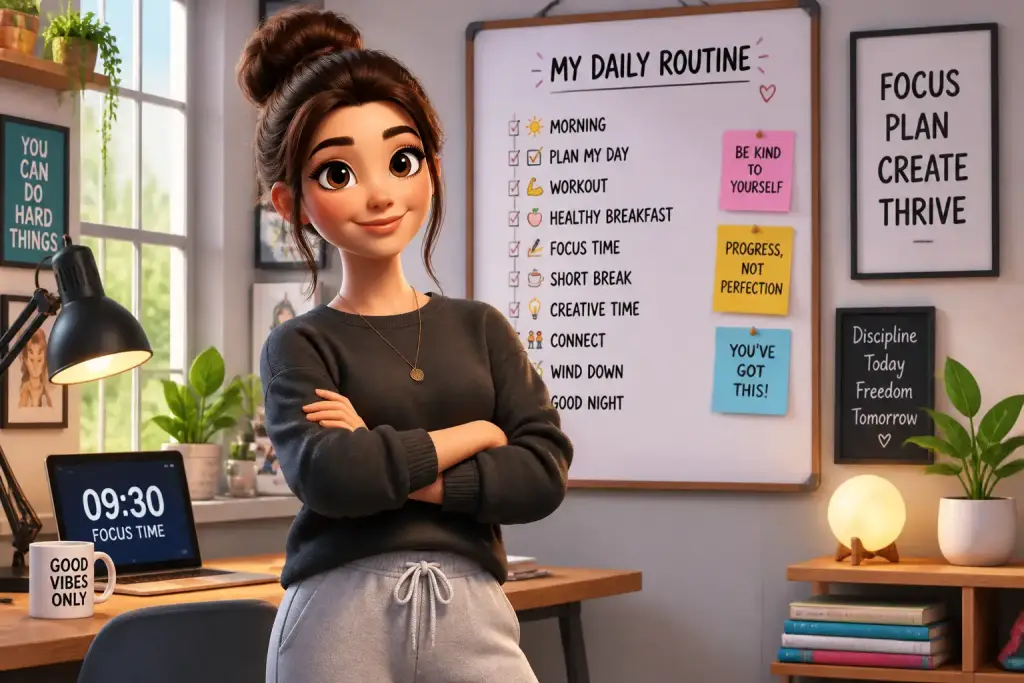
- Set Aside Time: Allocate specific time slots each week for your hobbies. Treat them as appointments to ensure you prioritize them.
- Make a Schedule: Create a weekly or monthly plan that includes your hobbies. This helps you stay organized and committed.
- Combine Activities: If possible, combine hobbies with other activities. For example, invite friends over for a cooking night or attend a group exercise class.
By intentionally including hobbies in your daily life, you can reap the benefits and truly enjoy your retirement.
Resources for Exploring New Hobbies
There are countless resources available to help you find and explore new hobbies. Here are some options:
- Online Platforms: Websites like YouTube, Skillshare, and Coursera offer tutorials and courses on various hobbies.
- Local Community Centers: Many community centers provide classes and workshops at low or no cost. Check your local listings for opportunities.
- Books and Magazines: Read about hobbies in books and magazines to find inspiration and guidance.
Utilizing these resources can help you discover new interests and equip you with the tools to succeed.
Practical Tips and Next Steps for Embrace the Journey of Growth and Joy
Retirement is a unique time for personal growth and exploration. Trying a new hobby can spark joy and bring excitement back into your life. Whether you choose to paint, garden, or join a dance class, each hobby offers a chance to learn, connect, and thrive. Embrace this journey with an open heart and mind. Remember, the goal is not perfection but enjoyment and fulfillment. With each new activity, you can create a life filled with joy and meaning, making the most of your retirement years.

Arianna Fontana
Founder & Editor-in-ChiefOriginally from Italy, Arianna Fontana is the publisher and senior editor behind Top Success Way, dedicated to strategic analysis and real-world case studies and realistic retiree career inspiration solutions.