








Create a Dedicated Time and Space
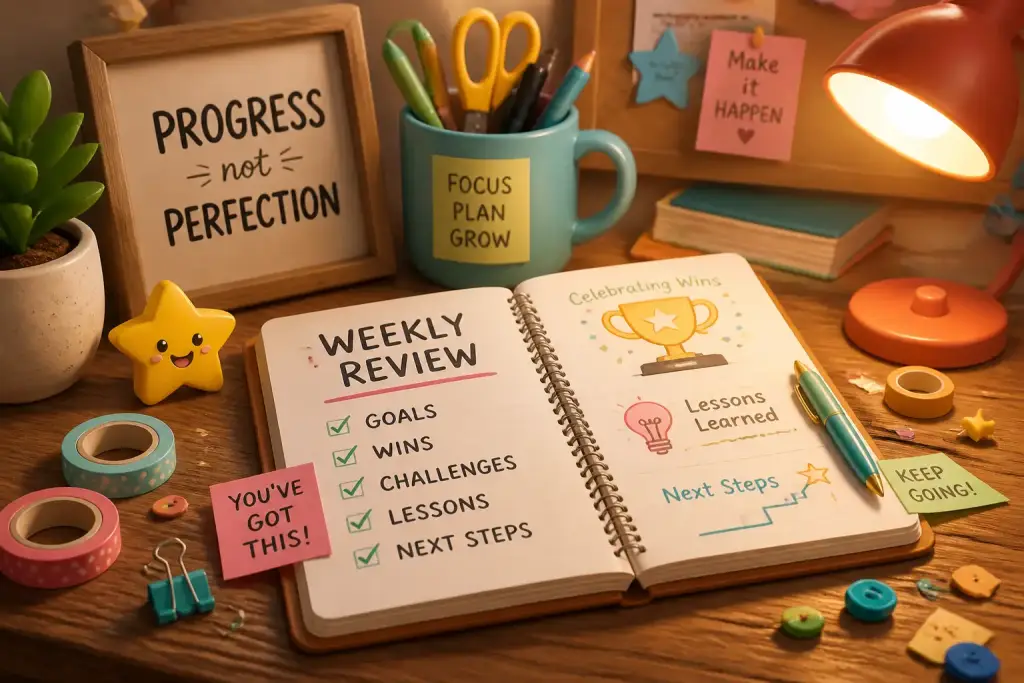
Establishing a specific time and place for your weekly review is key. Choosing a consistent schedule makes it easier to stick to this practice. Aim for a time when you are least likely to be disturbed. For many, this might be on Sunday evenings or Monday mornings as you prepare for the week ahead. This setting allows for a peaceful environment where you can think clearly.
- A weekly review helps you assess your achievements and plan for the future.
- Setting a fixed time and place for your review can improve focus and consistency.
- Using tools like journals or digital apps can enhance your review process.
Consider creating a comfortable workspace for your review. This could be a quiet corner in your home, a favorite café, or even a park bench. The location should be free from distractions. You can enhance this space with items that inspire you, such as plants, a cozy blanket, or motivational quotes.
Having a dedicated space signals to your brain that it is time for reflection and planning. This routine builds anticipation and focus, making your weekly review more productive.
Gather Your Tools
Using the right tools can enhance your weekly review process. You might choose traditional pen and paper or digital tools that suit your style. Here are some popular options:
- Journals: A simple notebook can be a powerful tool for reflection. You can write down your thoughts, achievements, and areas for improvement.
- Apps: Consider using productivity apps like Todoist or Notion. These platforms allow for digital tracking of tasks and projects.
- Calendars: Whether digital or paper, a calendar helps you visualize your week ahead. You can note appointments, deadlines, and personal commitments.
Choose tools that you feel comfortable with, as this will make your review more enjoyable. Test different options until you find what works best for you.
Reflect on Your Achievements
Start each review by reflecting on what you accomplished in the past week. This practice is vital for recognizing your progress and boosting motivation. List out your key achievements, no matter how small. Did you finish a project? Did you learn a new skill? Celebrate these moments!
As you reflect, think about what made these achievements possible. Were there specific strategies or habits that helped you succeed? Understanding this can guide you in future planning. For instance, if you completed a project by prioritizing tasks effectively, note that down. This will remind you to keep that strategy in mind.
Take time to appreciate your efforts. Recognizing your hard work can build a positive mindset, making you more likely to continue striving for your goals.
Identify Areas for Improvement
After celebrating your successes, shift your focus to areas needing improvement. This might feel challenging, but it is essential for growth. Analyze any setbacks or tasks that did not go as planned. Ask yourself why they fell short. Were they too ambitious? Did you lack resources or time?
Write down these reflections to create a clear picture of where you can improve. Make a list of specific goals for the next week. For example, if you struggled with time management, set a goal to use a timer for focused work sessions. This practice helps you turn setbacks into learning opportunities.
Remember, improvement is a gradual process. Be kind to yourself as you evaluate your performance. Focus on actionable steps rather than dwelling on mistakes.
Schedule your weekly review at the same time every week to create a habit that enhances your productivity and reflection.
Set Goals for the Upcoming Week
Setting clear and achievable goals is a important part of your weekly review. Define what you want to accomplish in the week ahead. Use the insights gained from your reflections to outline your objectives. Make sure your goals are specific and measurable. Instead of saying “I want to exercise more,” state “I will walk 30 minutes every day.”
Write down these goals and keep them visible throughout the week. This visibility will remind you to stay on track and motivated. Consider breaking larger goals into smaller tasks. If your goal is to write a report, outline the steps involved, such as research, drafting, and editing.
Set deadlines for each task. Clear timelines will help you prioritize your work and manage your time better. This structured approach makes it easier to achieve your weekly objectives.
Incorporate Personal Reflection
Personal reflection is a powerful component of your weekly review. It allows you to connect your goals with your emotions and values. After listing your achievements and setting new goals, take time to reflect on how you feel about your progress. Ask yourself questions like: “Am I satisfied with my work?” or “What do I wish I had done differently?”
Journaling can be an effective way to capture these thoughts. Write about your feelings, challenges, and moments of joy. This practice helps you gain deeper insights into your motivations and desires.
Incorporating personal reflection can also help you identify areas of stress or dissatisfaction. If you feel overwhelmed, consider adjusting your goals to maintain a balanced life. Recognizing these feelings allows you to adjust your plans and prioritize self-care.
Review Your Long-Term Goals
While weekly reviews focus on short-term progress, it is also important to connect these efforts to your long-term goals. Take a few moments to review your broader objectives. How do your weekly goals align with your overall vision? This connection ensures that your weekly tasks contribute meaningfully to your life ambitions.
Write down your long-term goals and evaluate your progress toward them. Are you on track? Do you need to adjust your strategy? For instance, if your long-term goal is to advance in your career, consider whether your weekly tasks are helping you gain relevant skills and knowledge.
Adjust your weekly goals based on this evaluation. If you find you are not progressing as you hoped, brainstorm new approaches. This alignment between short-term actions and long-term visions will keep you motivated and focused.
Share Your Progress with Others
Sharing your goals and progress with others can enhance accountability and motivation. Consider discussing your weekly review with a friend, family member, or mentor. Sharing your achievements can reinforce your commitment to your goals. It also opens the door for feedback and new ideas.
Join groups or online communities that focus on personal development. Engaging with others who share similar goals can provide valuable support. You can exchange experiences, strategies, and encouragement. This connection can make your journey feel less isolated.
Be open to receiving constructive feedback. Others may offer insights that can help you refine your goals or approach. Embrace this opportunity for growth and collaboration.
Maintain Flexibility and Adaptability
As you engage in your weekly reviews, remember that flexibility is essential. Life can be unpredictable, and circumstances may change. If you find that your goals are too ambitious or no longer relevant, adjust them. This adaptability is important for staying motivated and avoiding frustration.
Regularly reassess your priorities. If new opportunities arise or challenges emerge, be willing to change your focus. This may mean shifting your goals or adjusting your weekly tasks to accommodate new realities.
Staying flexible allows you to embrace change rather than resist it. This mindset can lead to unexpected growth and new insights that enhance your personal and professional life.

Arianna Fontana
Founder & Editor-in-ChiefOriginally from Italy, Arianna Fontana is the publisher and senior editor behind Top Success Way, dedicated to strategic analysis and real-world case studies and realistic retiree career inspiration solutions.