









Identify Your Interests and Skills
Understanding what you enjoy is the first step in aligning your career with job trends. Begin by making a list of your hobbies, passions, and skills. Consider what activities make you feel energized. For instance, if you love technology, you might be interested in tech-related job trends. If you enjoy helping others, healthcare job trends may be appealing.
- Analyze your skills and interests to find suitable job trends.
- Explore emerging industries to discover new opportunities.
- Stay updated with online resources for the latest job trends.
Next, take a skills assessment test. Many online platforms offer free tools that help you identify your strengths. These assessments can provide valuable insight into which industries might be a good fit for you. Knowing your skills is key to finding job trends that align with your interests.
Lastly, do not forget to think about your values. What matters most to you in a job? Is it work-life balance, salary, or the ability to make a difference? Understanding your values will guide you towards job trends that fit not just your skills, but also your personal goals.
Research Current Job Market Trends
Staying informed about the job market is essential. Begin your research by looking at job postings in your field of interest. Websites like LinkedIn, Indeed, and Glassdoor provide insights into what employers are currently seeking. Look for patterns in job requirements and desired skills.
Another method involves reading industry reports and surveys. Many organizations publish annual reports detailing job market trends. For example, reports from the Bureau of Labor Statistics can give you a good idea of which fields are growing. Focus on sectors with significant growth projections.
Networking is also a powerful tool for learning about job trends. Attend industry conferences, webinars, or local meetups. Engaging with professionals can provide insights that are not available in reports. Make connections, ask questions, and stay curious about the shifting job environment.
Explore Emerging Industries
Emerging industries often present the best job trends. Fields like renewable energy, artificial intelligence, and telehealth are expanding rapidly. Each of these sectors requires a variety of roles, from technical positions to administrative jobs. Explore these industries to find opportunities that align with your interests.
Renewable energy is not only a growing field but also contributes to environmental sustainability. Careers in solar panel installation or wind turbine technology are examples. If you’re passionate about the environment, this could be a perfect fit.
Artificial intelligence offers roles in data science, machine learning, and software development. These positions often require technical skills but can also include project management and user experience design. Because AI is reshaping many industries, staying updated can open many doors.
Utilize Online Job Platforms
Online job platforms are valuable resources for discovering job trends. Websites like LinkedIn, Indeed, and Glassdoor allow you to filter jobs based on your interests. Create a profile and upload your resume. This makes it easier for employers to find you. Set up job alerts for specific keywords to receive notifications about new postings.
Consider using niche job boards. These platforms focus on specific industries, such as tech or non-profit. They often feature job listings that may not appear on larger sites. For example, TechCareers or Idealist can help you find jobs that align with your passions.
Networking features on these platforms can also be beneficial. Join groups related to your interests. Participate in discussions and share your experiences. Engaging with others in your field can lead to job opportunities and valuable insights into trends.
Attend Job Fairs and Networking Events
Job fairs and networking events provide a unique opportunity to meet employers. Look for events in your area or online. These gatherings often feature multiple companies, allowing you to learn about various job openings at once.
Prepare beforehand by researching companies that will attend. Bring copies of your resume and dress professionally. Practice your elevator pitch so you can introduce yourself confidently. Engaging with recruiters and hiring managers can give you first-hand insights into job trends and expectations.
After the event, follow up with the contacts you made. Send thank-you emails and connect on LinkedIn. This can help you stand out and keep you in mind for future opportunities. Networking is about building relationships, so keep in touch.
Engage with professionals in your field to gain insights and advice about job trends and opportunities.
Follow Industry Leaders and Influencers
Industry leaders and influencers often share valuable insights about job trends. Follow them on social media platforms like Twitter and LinkedIn. Look for blogs, podcasts, or YouTube channels dedicated to your field of interest.
For example, if you are interested in marketing, follow experts who share tips and industry news. They often discuss emerging trends and skills that are in demand. This information can help you align your skills with what employers want.
Engaging with their content can also provide networking opportunities. Comment on their posts, share your thoughts, and ask questions. This interaction can lead to connections that may help you in your job search.
Consider Further Education or Training
Investing in further education can enhance your career prospects. Many industries require specific skills or certifications. Research what qualifications are necessary for your desired job trends. Online courses and certifications are more accessible than ever.
Platforms like Coursera, Udemy, and LinkedIn Learning offer a variety of courses. You can learn at your own pace and often at a lower cost than traditional education. For example, if you are interested in data analytics, consider taking a certification course in this area.
Community colleges also provide valuable training programs. Many offer courses designed for working adults looking to change careers. This can be a great way to gain new skills while still managing other commitments.
Analyze Job Descriptions and Requirements
Reading job descriptions carefully can reveal a lot about current job trends. Focus on the skills and experiences employers frequently mention. This can give you an idea of what to improve or learn. For instance, if many job postings mention proficiency in a specific software, consider taking a course to learn it.
Pay attention to soft skills as well. Communication, teamwork, and problem-solving are often highlighted in job postings. Developing these skills can make you a more attractive candidate. Consider volunteering or participating in group activities to strengthen these abilities.
Creating a matrix of required skills can help you track which jobs align with your current abilities. List the skills for each job you are interested in. This visual representation can help you see where you need to improve and which trends fit your current skill set.
Utilize Social Media for Job Trends
Social media can be a powerful tool for researching job trends. Platforms like LinkedIn, Twitter, and even Facebook have groups and pages dedicated to specific industries. Join these groups to stay updated on discussions and job postings.
Engage actively in these communities. Ask questions, share insights, or seek advice. This not only helps you learn but also builds relationships with others in your field. Networking through social media can lead to job opportunities and insider knowledge about trends.
Follow companies you admire. Many organizations share news about their culture, job openings, and industry insights. This can give you a sense of what it’s like to work there and help you tailor your applications to match their values and needs.
Track Your Progress and Adjust Your Plan
Regularly tracking your job search progress is essential. Set goals for yourself, such as the number of applications you want to submit each week or skills to learn each month. Evaluate your progress regularly to see what is working and what is not.
If you find that many applications are not leading to interviews, consider adjusting your resume or cover letter. Tailor these documents to highlight the skills and experiences most relevant to each job. This can significantly improve your chances of getting noticed by employers.
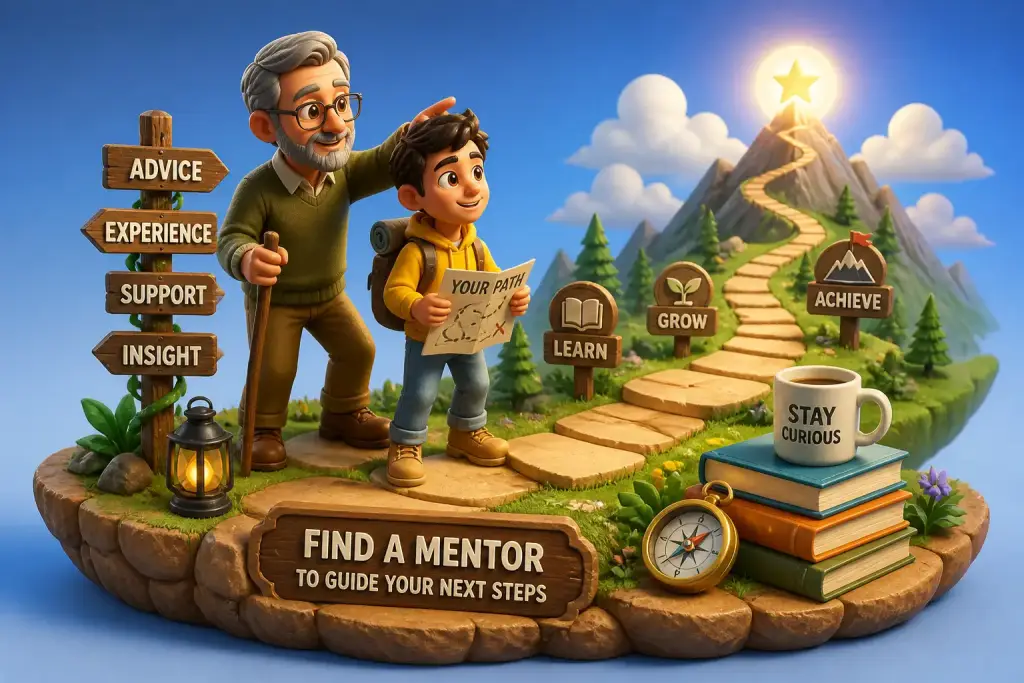
Be open to feedback. Ask for advice from mentors or peers. They can offer different perspectives and suggest improvements. Adjusting your approach based on feedback can help you stay aligned with current job trends and improve your job search outcomes.
Long-Term Maintenance Tips
Staying relevant in your field requires ongoing effort. Keep learning about job trends even after you secure a position. Attend workshops, webinars, or industry conferences to stay informed.
Consider joining professional organizations. These groups often provide resources, networking opportunities, and access to the latest industry news. Being part of a community can also offer support and motivation.
Regularly update your resume and LinkedIn profile. As you gain new skills and experiences, reflect these changes. This ensures you are always prepared for new opportunities. By actively maintaining your skills and connections, you set yourself up for long-term career success.

Arianna Fontana
Founder & Editor-in-ChiefOriginally from Italy, Arianna Fontana is the publisher and senior editor behind Top Success Way, dedicated to strategic analysis and real-world case studies and realistic retiree career inspiration solutions.