






Crafting Your Resume Structure
Creating a strong resume structure is fundamental to presenting your qualifications effectively. Start with your contact information at the top. Include your name, phone number, email address, and LinkedIn profile link if applicable. Next, choose a clear, professional layout that makes it easy to read. Use bullet points to list your experiences and skills.
- A strong resume highlights relevant skills and experiences tailored to the job.
- Use clear formats and concise language to improve readability.
- Regularly update your resume to reflect new skills and experiences.
The main sections typically include a summary or objective statement, work experience, education, and skills. Each section should be distinct and easy to manage. This organization helps recruiters quickly find the information they need. Remember, hiring managers often skim resumes, so clarity is key.
Consider using headers to separate each section clearly. For example, “Work Experience” can stand out in bold or larger font. This simple trick makes your resume more inviting and easier to comprehend.
Choosing the Right Format
Choosing the right format can make a significant difference in how your resume is perceived. The three common formats are chronological, functional, and combination. Each serves different purposes based on your career path.
Chronological Format
This format lists your work history in reverse chronological order. It is ideal for those with a solid work history in the same field. Employers often favor this format because it highlights your most recent experiences first.
Functional Format
The functional format focuses on skills rather than work history. If you have gaps in employment or are changing careers, this format can help emphasize your abilities. List relevant skills at the top, followed by your work experience.
Combination Format
A combination format merges elements from both chronological and functional formats. This is useful if you want to showcase skills while still presenting a clear work history. It allows flexibility in how you present your qualifications.
Writing a Strong Summary Statement
A compelling summary statement is your chance to grab the employer’s attention. This brief section should highlight your career goals and key accomplishments. Focus on what you can bring to the company rather than what you want from it.
Start with a strong opening sentence that summarizes your professional identity. For example, “Results-driven marketing professional with over five years of experience.” Follow up with two or three key achievements that relate to the job you are applying for.
Keep it concise. Aim for 2-4 sentences. This section should provide a snapshot of your qualifications and set the tone for the rest of your resume.
Highlighting Work Experience Effectively
Your work experience is one of the most critical sections of your resume. Start with your most recent job and work backward. For each position, include your job title, the company’s name, location, and dates of employment.
Use bullet points to describe your responsibilities and achievements. Focus on results rather than just duties. For instance, instead of saying “managed a team,” say “led a team of five to achieve a 20% increase in productivity.” This approach makes your contributions clear and impactful.
Quantifying your achievements can also strengthen your resume. Use numbers to illustrate your success. For example, “increased sales by 30% within one year” provides concrete evidence of your capabilities.
Showcasing Educational Background
Your education section should be straightforward. Include the name of the institution, degree obtained, and graduation date. If you graduated recently or have a strong academic record, place this section near the top of your resume.
For those with extensive work experience, it is acceptable to place education lower on the page. If you have special certifications or courses relevant to the job, include them as well. This helps show your commitment to continuous learning.
Be mindful of how you present your education. Use consistent formatting. For example, if you include your major, do so for each degree listed. This clarity makes your resume look polished.
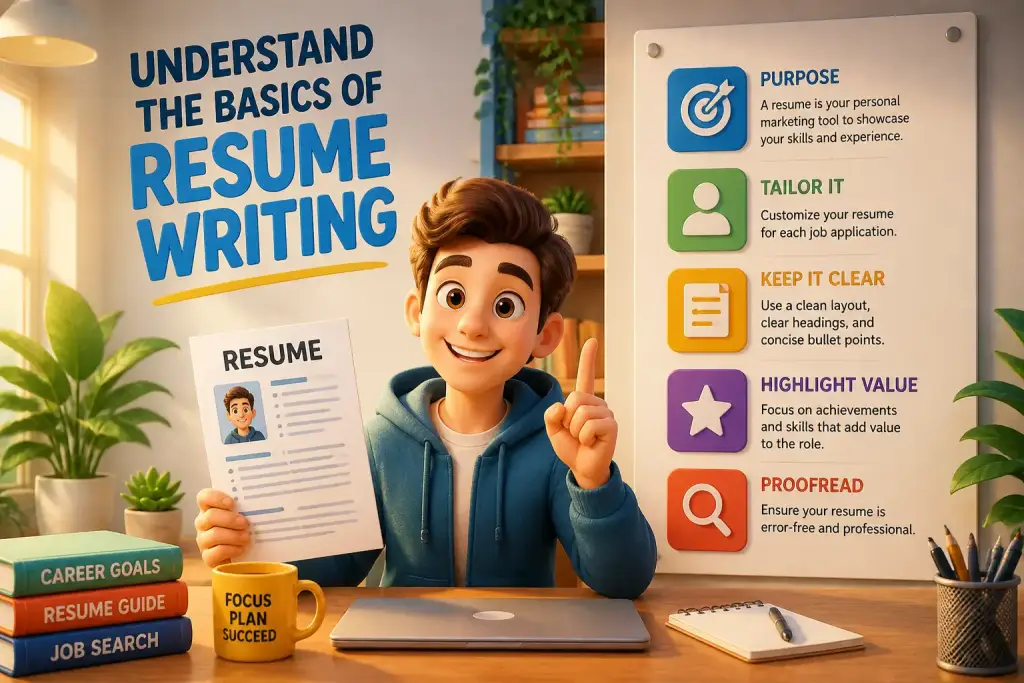
Tailor your resume for each job application to increase your chances of getting noticed by employers.
Emphasizing Relevant Skills
Skills are a vital part of your resume. They show what you can do and how you fit the job requirements. Start by reviewing the job description. Identify key skills the employer seeks and match them with your abilities.
Divide your skills into categories, such as technical skills and soft skills. Technical skills may include software proficiency or language competencies. Soft skills can cover communication, teamwork, and problem-solving abilities.
- Technical Skills: Microsoft Office, Adobe Creative Suite, Python programming.
- Soft Skills: Adaptability, teamwork, leadership.
Be sure to provide context for your skills. For example, saying “Proficient in Python programming” is more impactful than simply listing “Python” as a skill. This approach gives more insight into how you can apply your skills in real-world situations.
Formatting for Readability
Formatting your resume for readability is essential. Use a clean font, such as Arial or Times New Roman, and keep the font size between 10-12 points. Consistent margins and spacing help maintain a neat appearance.
Incorporate white space strategically. This not only makes your resume look more appealing but also helps important information stand out. Avoid cramming too much text onto one page. A one-page resume is generally recommended, especially for those with less than ten years of experience.
Lastly, ensure that your resume is free from spelling and grammar errors. These mistakes can create a negative impression. Use tools like Grammarly to check your work, or ask a friend to review it for you.
Customizing for Each Job Application
Customizing your resume for each job application is a important step. Tailoring your resume shows that you are genuinely interested in the specific position. Start by analyzing the job description closely. Identify key skills and experiences the employer values.
Update your summary statement and work experience to reflect these priorities. For example, if a job emphasizes leadership, ensure that your relevant leadership experiences are prominent. This also applies to your skills section; prioritize the skills that match the job requirements.
Keep in mind that using keywords from the job description can help your resume pass through Applicant Tracking Systems (ATS). These systems scan resumes for specific terms. Matching these terms will increase your chances of getting noticed by employers.
Common Mistakes to Avoid
Awareness of common resume mistakes can save you from losing potential job opportunities. One key error is using a generic resume for multiple applications. This approach may lead to missing critical keywords that resonate with specific job descriptions.
Another mistake is including irrelevant information. Focus on details that directly relate to the position. Avoid personal details like age, marital status, or a photo, as these are not necessary and can lead to bias.
Lastly, do not forget to update your resume regularly. Leaving outdated experiences can make your qualifications seem less relevant. Regularly revisiting your resume ensures it reflects your most current skills and experiences.
Long-Term Maintenance Tips
Maintaining your resume over time is essential for career growth. Regularly update it with new skills, experiences, and accomplishments. Make it a habit to review your resume every six months. This helps ensure you capture achievements as they happen.
When you complete a project or receive an award, add it to your resume immediately. This practice prevents the stress of trying to remember everything when you need to apply for a new job. Keeping your resume current also allows you to take advantage of unexpected opportunities.
Lastly, consider seeking feedback on your resume from trusted colleagues or mentors. They can offer valuable insights and suggestions for improvement. Constructive criticism can help you refine your resume and boost your chances of landing interviews.

Arianna Fontana
Founder & Editor-in-ChiefOriginally from Italy, Arianna Fontana is the publisher and senior editor behind Top Success Way, dedicated to strategic analysis and real-world case studies and realistic retiree career inspiration solutions.