







Recognize Your Unique Strengths
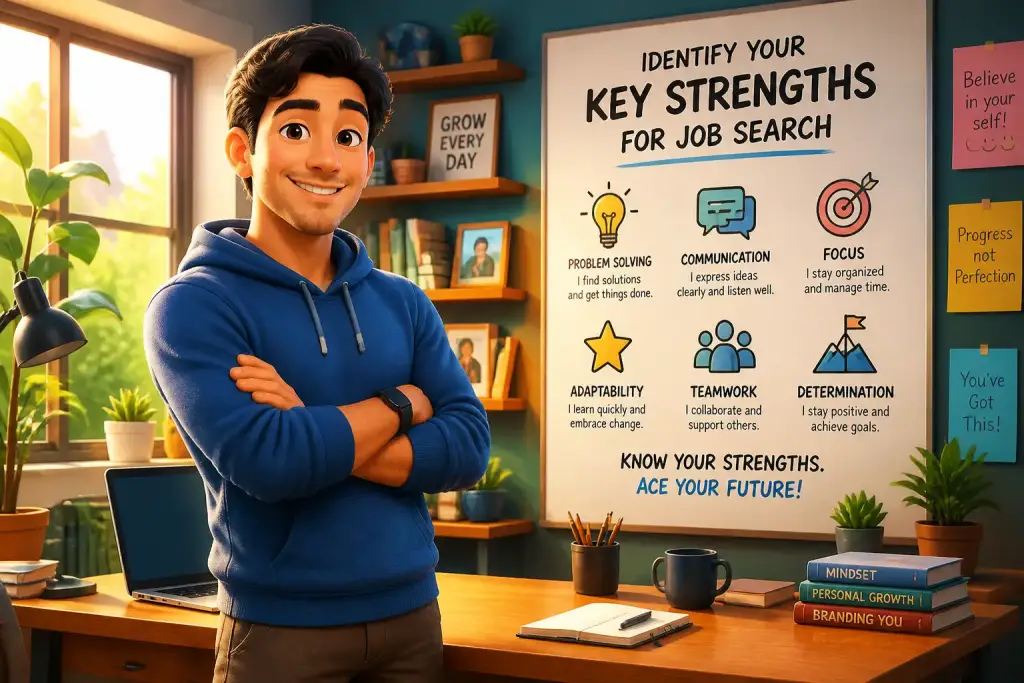
Understanding your key strengths is vital in a job search. These strengths define what you excel at and what makes you unique. They can include a mix of technical skills, soft skills, and personal attributes. Start by thinking about moments when you felt proud of your work. What did you do? What skills did you use? This reflection can reveal your strengths.
- Recognizing personal strengths boosts confidence in job applications.
- Tailoring your strengths to job descriptions increases hiring potential.
- Continuous self-assessment helps maintain and develop key skills.
Another way to identify strengths is by seeking feedback from others. Ask friends, family, or colleagues what they believe your strengths are. They may see positive traits that you overlook. This external perspective can be eye-opening. The goal is to gather a list of strengths that resonate with you and that you can showcase in your job search.
Once you have identified a list of strengths, prioritize them. Which skills are most relevant to the jobs you want? Focus on these strengths when creating your resume and preparing for interviews. Tailoring your application materials to highlight these key strengths can make a significant difference in your job search.
Utilize Self-Assessment Tools
Many self-assessment tools help individuals discover their strengths. These tools can provide structured insights into what makes you unique. Common assessments include strengths finders, personality tests, and skills inventories. Tools like the Myers-Briggs Type Indicator can help you understand your personality and how it relates to your work style.
Consider using the CliftonStrengths assessment, which focuses on identifying your top strengths. This tool gives a detailed report of your strengths and how to use them in a work environment. Completing such assessments can clarify your abilities and how to present them in job applications.
Common Self-Assessment Tools
- Myers-Briggs Type Indicator (MBTI)
- CliftonStrengths
- DISC Assessment
- SkillScan
- 16 Personalities Test
Using these tools can provide a strong foundation for understanding your strengths. Once you have this information, you can create a personal brand that reflects your strengths in your resume, cover letter, and interviews.
Evaluate Work Experiences
Your past work experiences hold valuable insights into your key strengths. Reflect on your previous jobs and think about the tasks you enjoyed most. What roles did you take on? Did you lead projects, solve problems, or collaborate with teams? These experiences often highlight the strengths you possess.
Make a list of tasks or projects where you received positive feedback or recognition. Consider the skills you used in those situations. For example, if you managed a successful project, your strengths may include leadership, organization, and communication. Recognizing these patterns can help you articulate your strengths more clearly.
When reviewing your experiences, think about challenges you overcame. How did you handle them? This analysis could reveal strengths like resilience, adaptability, or critical thinking. Highlight these strengths in your job search, as they show potential employers your ability to thrive in different situations.
Align Strengths with Job Descriptions
Aligning your strengths with job descriptions is important for catching an employer’s attention. When you find a job you want, review the job description closely. Identify the key skills and strengths the employer seeks. This step helps you tailor your application materials accordingly.
Highlight specific strengths that match the job requirements in your resume. For instance, if a job emphasizes teamwork, showcase your collaborative experiences. Use concrete examples from your past roles to demonstrate how you applied these strengths effectively. This approach makes your application more compelling.
Steps to Align Strengths
- Read the job description carefully.
- Highlight key skills and strengths required.
- Match your strengths to those highlighted.
- Provide examples in your resume and cover letter.
This alignment not only increases your chances of getting noticed but also prepares you for interviews, where you can discuss how your strengths fit the role.
Craft a Personal Elevator Pitch
A personal elevator pitch is a brief summary of who you are and what you bring to the table. This pitch should include your key strengths and why they matter for potential employers. Think of it as a way to introduce yourself professionally in a short time.
To create your pitch, start with your name and current position or status. Follow this with a sentence about your strengths. For example, “I am a marketing professional with strong analytical skills and a passion for data-driven strategies.” This introduction gives a clear picture of your strengths right away.
Practice your pitch until it feels natural. You may use it in networking situations or interviews. A strong elevator pitch can make a lasting impression on employers, showing them what you can offer in just a few sentences.
Reflect on past experiences to identify strengths that have helped you succeed in work situations.
Gather Testimonials and References
Collecting testimonials and references can enhance your job search. Recommendations from others validate your strengths and skills. They provide social proof that you can deliver what you claim. Start by asking previous employers or colleagues for written testimonials. These can be included in your portfolio or LinkedIn profile.
When requesting a reference, choose people who know your work well and can speak to your strengths. Provide them with details about the job you are applying for, so they can tailor their references accordingly. This step ensures the reference is relevant to the position.
Having strong testimonials can set you apart from other candidates. They provide insights into your work ethic, skills, and character. Use these recommendations to support your application materials and boost your credibility in the eyes of potential employers.
Highlight Soft Skills
Soft skills are often just as important as technical skills. They include abilities like communication, teamwork, and problem-solving. These skills can greatly influence your success in the workplace. Employers value candidates who can work well with others and adapt to different situations.
Identify which soft skills align with your strengths. For instance, if you are a strong communicator, your ability to express ideas clearly can be a key strength. If you are adaptable, this shows you can thrive in changing environments. Highlight these skills in your resume and during interviews.
Use real-life examples to illustrate your soft skills. Instead of just stating that you are a good communicator, provide a scenario where you effectively communicated with a team to achieve a goal. This approach makes your strengths more relatable and believable to potential employers.
Maintain a Growth Mindset
Having a growth mindset is essential for continuing to develop your strengths. This mindset involves believing that you can improve and learn new skills over time. Embrace challenges and view them as opportunities for growth. This approach will help you maintain your strengths and adapt to new situations.
Set personal development goals related to your strengths. For example, if you want to improve your leadership skills, consider taking a course or seeking mentorship. Continuously learning and growing keeps your skills relevant and competitive in the job market.
Regularly assess your strengths. This can help you identify areas for improvement and new skills to develop. Keeping track of your growth journey can provide motivation and clarity as you manage your career path.
Prepare for Interviews
Interviews are a important part of the job search process. They provide an opportunity to showcase your strengths directly to potential employers. Prepare by practicing common interview questions that allow you to highlight your strengths. Questions like “What are your strengths?” or “Can you provide an example of a time you used your strengths?” are common.
Craft clear and concise responses that emphasize your key strengths. Use the STAR method (Situation, Task, Action, Result) to structure your answers. This approach helps you provide specific examples that illustrate how your strengths contributed to positive outcomes in past roles.
Research the company and its culture. Understanding their values can help you align your strengths with their needs. This preparation will allow you to confidently demonstrate how your strengths can benefit the organization.
Utilize Networking Opportunities
Networking can play a significant role in identifying and showcasing your strengths. Attend industry events, workshops, and seminars to meet professionals in your field. Engaging with others can provide insights into what strengths are valued in your industry.
During networking events, practice discussing your strengths. This practice helps you gain confidence in presenting your abilities. Be open to feedback from others. They may offer suggestions on how to highlight your strengths more effectively in your job search.
Utilize platforms like LinkedIn to connect with professionals and share your experiences. Regularly update your profile to reflect your strengths. Engaging with others in your field can lead to valuable connections and potential job opportunities.
Leverage Social Media
Social media can be a powerful tool for showcasing your strengths. Use platforms like LinkedIn to create a professional online presence. Share posts that highlight your skills, experiences, and accomplishments. Engaging with industry-related content can help you establish credibility and attract potential employers.
Craft a strong LinkedIn summary that reflects your key strengths. Use keywords related to your skills and desired job roles. This makes it easier for recruiters to find you when searching for candidates. Consider asking for endorsements for specific skills from colleagues or connections.
To LinkedIn, other platforms can also showcase your strengths. For example, Twitter can be used to engage in industry discussions or share relevant news. Be mindful of your online reputation and ensure that your profiles reflect your professional strengths and aspirations.
Where to Find Resources
Finding resources to help you identify and develop your strengths can enhance your job search. Look for books, websites, and workshops focused on career development. Many resources offer valuable insights into self-assessment and skill-building.
Consider online platforms like Coursera or Udemy, which provide courses on various skills. These platforms often have programs focused on personal and professional development. Learning new skills can help you expand your strengths and stay competitive in your field.
Local community centers or libraries may offer workshops or seminars on career development. These can provide opportunities to learn from experts and connect with others who are also seeking to improve their strengths. Seek out these resources to support your ongoing growth in your job search.

Arianna Fontana
Founder & Editor-in-ChiefOriginally from Italy, Arianna Fontana is the publisher and senior editor behind Top Success Way, dedicated to strategic analysis and real-world case studies and realistic retiree career inspiration solutions.