







Why a Learning Schedule is Important
Creating a learning schedule is essential for growth in both personal and professional areas. With busy lives, it’s easy to let learning fall by the wayside. A structured schedule ensures that learning becomes a priority. This approach helps you set aside specific times each week dedicated solely to learning new skills or concepts. Without a clear plan, it’s common to postpone learning goals, leading to missed opportunities. A well-defined schedule can also reduce stress by providing a clear path to follow.
- Create a dedicated learning schedule to boost knowledge retention.
- Use digital tools to manage and track your learning progress.
- Set specific goals for each learning session to enhance focus.
People often think learning is only for students or those in formal education. However, lifelong learning is critical in today’s fast-paced world, where technology and knowledge evolve rapidly. By dedicating time each week, you can stay updated with trends in your field, learn new skills, or explore personal interests. This commitment not only enhances your knowledge but also boosts your confidence and adaptability.
Incorporating learning into your routine can improve your overall quality of life. When you learn, you are actively engaging your mind. This engagement can lead to greater creativity, improved problem-solving skills, and a more enriched perspective on life. Therefore, prioritizing a learning schedule can be one of the best investments you make for your future.
How to Create Your Learning Schedule
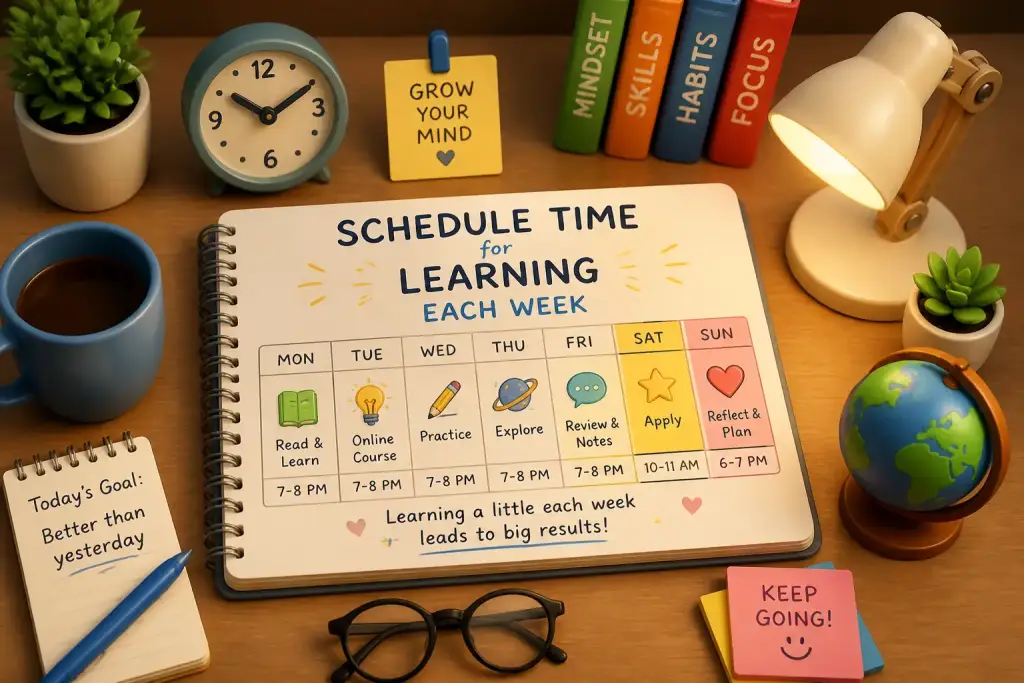
Creating a learning schedule requires thoughtful planning. Begin by assessing your current commitments. Identify blocks of time in your week when you can dedicate yourself to learning without distractions. This could be early mornings, lunch breaks, or evenings. The goal is to find consistent time slots that work for you.
Next, decide on the topics you want to focus on. Whether it’s improving professional skills, picking up a new hobby, or enhancing general knowledge, having clear subjects will guide your learning journey. Break down these topics into smaller, manageable sections to cover each week. This approach makes the learning process less overwhelming and more achievable.
After determining your subjects and time, write your schedule down. Use a calendar, planner, or digital app that suits your style. Make sure to include specific learning objectives for each session. For example, instead of saying “learn a new language,” specify “learn 20 new vocabulary words in Spanish.” This clarity will help you measure progress and stay motivated.
Choosing the Right Resources
Selecting the right resources is vital to effective learning. Today, there are countless resources available, including online courses, books, podcasts, and videos. Each type has its own advantages. For instance, online courses often provide structured learning paths, while books and podcasts can offer in-depth knowledge at your own pace.
When choosing resources, consider your learning style. Some people prefer visual aids, while others benefit from auditory or hands-on experiences. Try different formats to see which ones resonate most with you. For instance, if you are a visual learner, platforms like YouTube or online courses with video content may be more beneficial.
Make sure the resources are up-to-date. Outdated information can lead to misunderstandings or incomplete knowledge. Check reviews and ratings to ensure you are selecting quality materials. Engaging with current resources will enhance your learning experience and keep you informed about the latest developments in your chosen field.
Setting Specific Learning Goals
Setting specific learning goals is a key part of your schedule. Goals provide direction and motivation. When you have a clear target, it’s easier to focus your efforts and measure success. Start by writing down what you hope to achieve through your learning. This could be mastering a new skill, completing a course, or simply reading a certain number of books.
Use the SMART criteria to create effective goals. SMART stands for Specific, Measurable, Achievable, Relevant, and Time-bound. For example, instead of saying, “I want to learn to cook,” you could say, “I will learn to cook five new dishes by the end of the month.” This goal is specific, measurable, and has a deadline.
Regularly review your goals to track progress. This can be done weekly or monthly. Adjust your learning schedule as necessary based on your progress. If you find certain areas challenging, consider allocating more time to those topics. Celebrate small victories along the way to maintain motivation and enthusiasm.
Incorporating Different Learning Styles
Recognizing and incorporating different learning styles can enhance your learning schedule. Everyone has a unique way of absorbing information. The main styles include visual, auditory, reading/writing, and kinesthetic. Understanding your preferred style can help you select the best resources and methods for learning.
For visual learners, infographics, charts, and videos can be very effective. Auditory learners often benefit from listening to lectures or discussions. Reading/writing learners may prefer books and articles, while kinesthetic learners thrive with hands-on activities. By incorporating various styles into your schedule, you can create a more engaging learning experience.
For example, if you’re learning a new language, practice speaking with a partner (kinesthetic), listen to podcasts (auditory), read books (reading/writing), and watch films in that language (visual). This variety not only keeps learning interesting but also reinforces knowledge through different approaches.
Allocate a specific time each week for learning to build a consistent habit and improve your skills over time.
Using Technology to Enhance Learning
Technology can significantly enhance your learning schedule. Numerous tools and applications can help you organize your time, track progress, and even provide learning materials. For instance, platforms like Trello or Notion can help you create a visual learning schedule, making it easy to see what you need to accomplish each week.
Many apps also offer online courses and tutorials. Websites like Coursera, Udemy, and Khan Academy provide a wide range of topics with flexible learning paths. You can learn at your own pace, making it easier to fit into your busy schedule. Additionally, many of these platforms offer quizzes and assessments to measure your understanding.
Consider using time management apps, such as Focus@Will, to boost concentration during learning sessions. These apps can help you stay focused and minimize distractions, ensuring that your dedicated learning time is productive. By leveraging technology, you can create a more efficient and effective learning experience.
Building Accountability into Your Schedule
Accountability is an essential aspect of maintaining a learning schedule. Sharing your learning goals with others can provide motivation and support. Consider finding a learning buddy or joining a study group. When you have someone to share your progress with, it can encourage you to stay committed to your schedule.
Some apps offer features that allow you to connect with other learners. Participating in online forums or communities related to your learning topics can also create a sense of accountability. When you see others making progress, it can inspire you to keep going.
Regularly check in with yourself to evaluate your progress. Set aside time each week to reflect on what you have learned and how well you have adhered to your schedule. If you find yourself falling behind, consider adjusting your goals or schedule to make it more manageable. Accountability helps you stay on track and reinforces the importance of your learning journey.
Making Learning Enjoyable
Learning should be an enjoyable experience, not a chore. Finding ways to make your learning sessions fun can help maintain motivation. Incorporate activities you love into your schedule. If you enjoy cooking, consider learning about nutrition while trying new recipes. If you love art, explore courses on design or photography.
Engage in discussions with friends or family about what you are learning. Sharing your knowledge can make the process more interactive and enjoyable. You could also explore gamified learning platforms, which turn learning into a game with rewards and challenges. This can make the experience feel less like work and more like play.
Set aside time for creative projects related to your learning. For instance, if you are studying history, you might create a scrapbook or a blog about your findings. This hands-on approach can deepen your understanding and make learning feel more fulfilling. By keeping learning enjoyable, you increase the likelihood of sticking with your schedule long-term.
Reviewing and Adjusting Your Learning Schedule
Regularly reviewing and adjusting your learning schedule is critical for continued success. Life circumstances and priorities can change, affecting your available time for learning. Set aside time each month to evaluate your progress. Reflect on what has worked well and what may need adjustment.
Look at the goals you set initially. Are they still relevant? If not, modify them to better align with your current interests or needs. You might find that certain topics require more time than you initially planned. Be flexible with your schedule, allowing for changes that will enhance your learning experience.
Consider seeking feedback from others as well. Share your learning journey with friends or colleagues and ask for their insights. They may offer valuable perspectives or suggestions that can help you improve your schedule. Being open to adjustments will keep your learning process dynamic and effective.
Common Mistakes to Avoid
As you start on your learning journey, be aware of common pitfalls that can hinder your progress. One mistake is overloading your schedule with too many topics at once. This can lead to burnout and frustration. Instead, focus on a few subjects at a time and gradually add more as you become comfortable.
Another mistake is not allowing enough time for learning. Rushing through materials can lead to poor retention. Ensure you allocate sufficient time to absorb information and practice new skills. It’s better to learn a little deeply than to skim through many topics superficially.
Finally, avoid neglecting your learning schedule. Life can get busy, but sticking to your plan is essential for success. If you miss a session, do not be too hard on yourself. Instead, reflect on why it happened and how to prevent it in the future. Learning is a journey, and flexibility is key to maintaining motivation.

Arianna Fontana
Founder & Editor-in-ChiefOriginally from Italy, Arianna Fontana is the publisher and senior editor behind Top Success Way, dedicated to strategic analysis and real-world case studies and realistic retiree career inspiration solutions.