







Why Learn a New Skill Every Month?
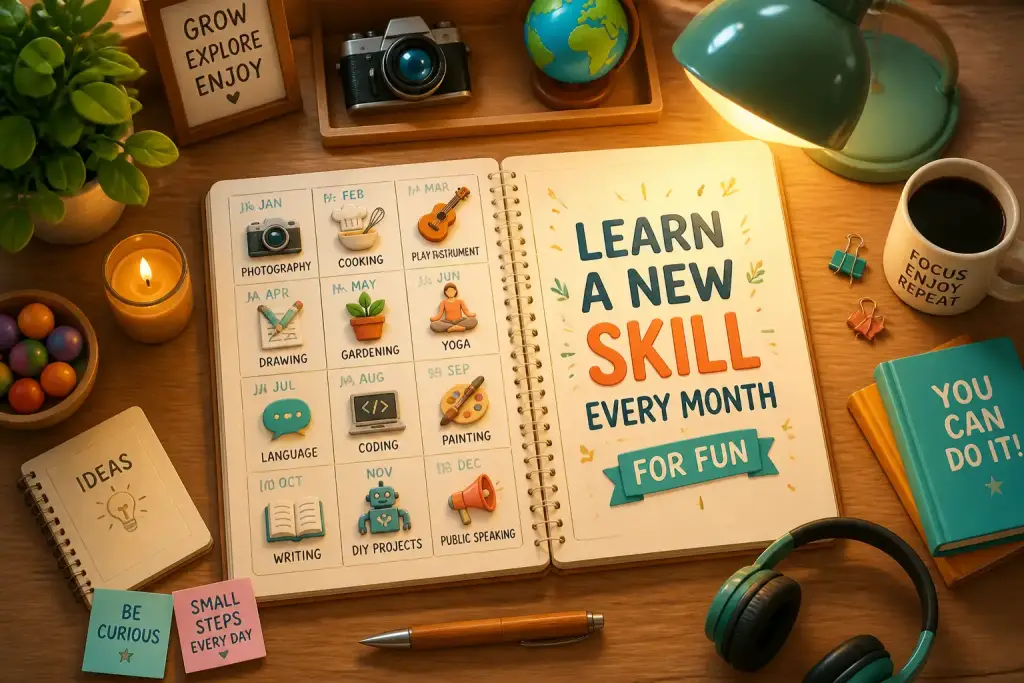
Learning a new skill each month can be an exciting journey. It encourages personal growth and fuels creativity. Each skill you learn opens doors to new experiences and opportunities. Whether you want to enhance your career or just have fun, setting aside time for skill development can be rewarding. For example, picking up photography can help you see the world differently. You might notice details you overlooked before. This monthly commitment allows you to explore various interests without overwhelming yourself.
- Learning a new skill each month boosts creativity and confidence.
- Choose skills that align with your interests for better engagement.
- Set realistic goals and track your progress to stay motivated.
Learning new skills can improve your mental health. Engaging in a new hobby can reduce stress and boost your mood. It gives you a sense of accomplishment. Completing a project or mastering a technique can create a fulfilling experience. People who actively learn often report higher satisfaction levels in life. They feel more capable of handling challenges and changes.
Lastly, this practice creates a habit of lifelong learning. In a world that constantly changes, being adaptable is essential. New skills make you more versatile. You develop resilience and confidence along the way. Therefore, committing to learning a new skill each month can transform your life.
Choosing the Right Skill
Choosing the right skill is key to enjoying your learning process. Start by reflecting on your interests. Think about what excites you or what you have always wanted to try. For instance, if you love music, consider learning to play an instrument. This aligns your passion with your learning, making the experience more enjoyable.
Consider your goals as well. Are you looking to advance your career? Skills like coding or public speaking might be beneficial. If you want to relax, arts and crafts can be a good choice. Make a list of potential skills that intrigue you. Then prioritize them based on your interests and goals.
List of Popular Skills to Explore
- Photography
- Cooking or Baking
- Gardening
- Knitting or Crocheting
- Learning a new language
- Graphic design
Research each skill briefly to understand what it involves. This will help you decide which skill to focus on for the month. Picking something engaging will keep your motivation high throughout your learning journey.
Setting Realistic Goals
When learning a new skill, setting realistic goals is essential. Break down your monthly goal into smaller, achievable steps. For example, if you want to learn painting, you might start with basic color theory. Then, move on to simple techniques before attempting a full painting. This gradual approach prevents frustration.
Use the SMART criteria for your goals. Make sure they are Specific, Measurable, Achievable, Relevant, and Time-bound. For instance, instead of saying, “I will learn to cook,” specify, “I will learn to make three new pasta dishes by the end of the month.” This clarity gives you direction and focus.
Example of SMART Goals
- Specific: Learn to play three songs on the guitar.
- Measurable: Track practice sessions each week.
- Achievable: Dedicate 30 minutes each day for practice.
- Relevant: Choose songs that you enjoy.
- Time-bound: Complete this by the end of the month.
By following this method, you can measure your progress and celebrate small victories along the way. This boosts your confidence and keeps you engaged.
Try to find local groups or online communities to share your journey and learn from others. Collaboration enhances your learning experience.
Finding Resources
Finding the right resources can make learning a new skill much easier. Today, many options are available to suit different learning styles. Start with online platforms like YouTube or Coursera. These sites offer free or affordable courses on various topics. You can find video tutorials that guide you step-by-step.
Books are another excellent resource. Libraries and bookstores have countless guides on almost any skill. Reading about a subject can deepen your understanding. Additionally, joining local classes is a great way to learn in a structured environment. Look for workshops in your community or classes at a nearby adult education center.
Online Resources to Consider
- Skillshare
- Udemy
- edX
- Duolingo (for languages)
- LinkedIn Learning
Combining various resources enhances your learning experience. You might start with online videos, then read a book for deeper insights. Mixing formats keeps things fresh and engaging.
Creating a Learning Schedule
Establishing a learning schedule is essential for success. Allocate specific times each week for skill development. Consistency is key. Treat these sessions like appointments that you cannot miss. For instance, you might set aside every Wednesday evening for your learning. This regularity helps reinforce your habit.
Break your sessions into manageable chunks. If you have an hour, consider splitting it into two 30-minute blocks. Focus on different aspects of the skill during each block. For instance, if you are learning to cook, one session could focus on knife skills, while the next focuses on a recipe.
Tips for Sticking to Your Schedule
- Set reminders on your phone to keep you accountable.
- Find a study buddy to make learning more enjoyable.
- Adjust your schedule as needed to fit your life.
Flexibility is important. If something comes up and you miss a session, do not be too hard on yourself. Just reschedule it at the next available opportunity. The goal is to maintain a consistent practice while enjoying your journey.
Tracking Progress
Tracking your progress is vital to maintaining motivation. Document your journey to see how far you have come. Keep a journal or use an app to log your learning experiences. Write down what you learned during each session. This reflection can be rewarding. It also helps you identify areas that need improvement.
Consider setting milestones along the way. For instance, if you are learning a language, a milestone could be holding a basic conversation. Celebrate these achievements, no matter how small. Rewarding yourself keeps the process enjoyable.
Methods to Track Your Learning
- Use a dedicated notebook for reflection.
- Share your progress on social media or with friends.
- Record videos of your practice sessions to see improvements.
By actively tracking your progress, you create a sense of accomplishment. This practice can motivate you to continue learning. Seeing how much you have improved over the month can inspire you to tackle even more challenging skills.
Joining a Community
Joining a community can enhance your learning experience. Connecting with others who share similar interests adds value to your journey. Online forums, social media groups, or local clubs can provide support and encouragement. For example, if you are learning to paint, consider joining an art group. You can share your work and receive constructive feedback.
These communities often offer valuable resources and tips that you may not find on your own. Engaging with others allows you to learn from their experiences. It can also introduce you to new techniques and ideas that you might not have considered.
Where to Find Learning Communities
- Facebook groups related to your skill
- Meetup.com for local events
- Reddit communities
- Skill-specific forums or websites
Being part of a community keeps you accountable. It can also make learning more enjoyable. You share your challenges and victories together, creating a sense of camaraderie.
Embracing Mistakes and Learning
Embracing mistakes is a important part of the learning process. Everyone makes errors when trying something new. Instead of feeling discouraged, view mistakes as opportunities for growth. They provide valuable lessons that can improve your skills over time. For example, if you fail at a recipe, analyze what went wrong. This reflection helps you avoid similar mistakes in the future.
Remember that learning is a journey, not a race. Take your time and enjoy the process. Celebrate your progress, even if it feels slow at times. Each step you take brings you closer to mastering your chosen skill. This mindset builds resilience and encourages you to keep pushing forward.
Tips for a Positive Mindset
- Practice self-compassion when things go wrong.
- Focus on the fun aspects of learning.
- Remind yourself why you chose this skill in the first place.
By maintaining a positive outlook, you make the learning experience more enjoyable. Embracing the ups and downs can lead to deeper understanding and satisfaction.
Celebrating Achievements
Celebrating your achievements is an important part of the learning process. Take time to recognize your successes, big or small. After completing a skill, reward yourself with something special. This could be a meal at your favorite restaurant or a small treat. Acknowledge the effort you put into learning.
Consider showcasing your new skill to friends or family. For instance, if you learned to cook, invite them over for a dinner party. Sharing your accomplishments can boost your confidence and inspire others to join you in learning.
Ways to Celebrate Your Success
- Host a small gathering to showcase your skills.
- Share your progress on social media.
- Create a portfolio of your work.
By celebrating your achievements, you reinforce the positive feelings associated with learning. This encourages you to continue exploring new skills in the future.
Long-Term Maintenance Tips
Maintaining your skills over time is important for long-term success. Once you have mastered a skill, continue practicing to keep your abilities sharp. Set aside regular time each month for practice, even if it is less than before. This can help you stay connected to your interests.
Consider setting new goals to challenge yourself. For example, if you learned to play the guitar, try writing your songs or performing at an open mic. This keeps the learning process fresh and exciting.
Strategies to Maintain Skills
- Join advanced classes to deepen your knowledge.
- Teach others what you’ve learned.
- Explore related skills to broaden your expertise.
By staying engaged with your skills, you build a lifelong love of learning. You not only maintain your abilities but also continue to grow and discover new passions.

Arianna Fontana
Founder & Editor-in-ChiefOriginally from Italy, Arianna Fontana is the publisher and senior editor behind Top Success Way, dedicated to strategic analysis and real-world case studies and realistic retiree career inspiration solutions.