






Identify Your Core Skills
Before creating a daily plan, identify the core skills you want to develop. These can include skills related to your profession, hobbies, or personal growth. For example, if you are a writer, you might focus on improving your grammar, creativity, and research abilities. Take time to list these skills and rank them based on your priorities.
- A well-structured daily plan includes time blocks for essential skills.
- Setting clear goals for each skill enhances focus and motivation.
- Regularly reviewing your progress helps adjust your plan for better results.
Consider the time you can dedicate to each skill. For instance, if you can only spend 30 minutes a day on writing, divide that time among your identified skills. This will help ensure that your daily plan remains realistic and achievable. Make sure to think about how each skill connects to your overall goals as well.
Once you have your list, select the top three to five skills to focus on daily. This focused approach prevents overwhelm and allows for deeper learning.
Set Specific Goals
Setting clear goals is essential for effective learning. Goals should be SMART: Specific, Measurable, Achievable, Relevant, and Time-bound. For example, instead of saying “I want to write better,” specify “I will write 500 words every day for a week to improve my writing pace.” This gives you a clear target to shoot for.
Break down each skill into smaller goals. If you want to improve your public speaking, you might set a goal to practice for 10 minutes every day. Over time, these small steps lead to significant improvements. Write down your goals and keep them visible to remind yourself of what you strive to achieve.
This practice not only keeps you accountable but also allows you to celebrate small wins along the way, which can boost your motivation.
Choose the Right Tools
Using the right tools can make a significant difference in how effectively you manage your daily plan. Many options are available, from traditional planners to digital apps. For example, apps like Notion or Todoist allow you to create detailed schedules and set reminders. Choose tools that suit your needs and preferences.
Consider using timers to help you stay focused. The Pomodoro Technique, which involves working for 25 minutes followed by a 5-minute break, can be particularly effective. This method helps maintain concentration and prevents burnout.
Explore various options until you find a system that feels comfortable and effective. Remember, the goal is to create a daily plan that works for you.
Design Your Daily Schedule
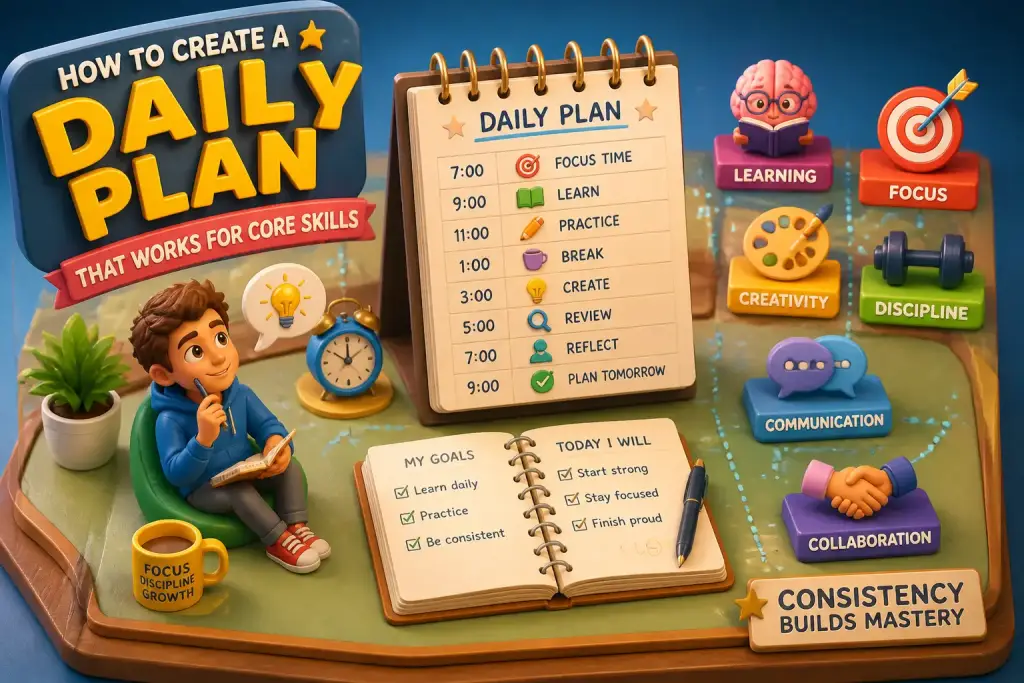
Creating a daily schedule involves allocating specific blocks of time for each skill. Start by reviewing your typical day. Identify when you feel most productive. Some people work better in the morning, while others find their stride in the afternoon or evening. Tailor your schedule to fit your natural rhythm.
Begin by blocking out time for essential tasks like work or school. After that, insert your skill development sessions. For instance, if you work from 9 AM to 5 PM, you might schedule writing practice from 6 PM to 7 PM. Ensure that you dedicate uninterrupted time to these activities.
Using color-coding can help visualize your schedule. Assign different colors for work, skill practice, and personal time. This visual aid makes it easier to see how balanced your day is and where adjustments might be needed.
Use a digital planner app to easily adjust your daily plan as needed and set reminders for skill practice sessions.
Incorporate Breaks and Downtime
While focusing on skill development is essential, incorporating breaks and downtime is equally important. Continuous work leads to fatigue and can hinder performance. Schedule short breaks between skill practice sessions. For instance, after a 30-minute writing session, take a 10-minute break to stretch or grab a snack.
Plan longer breaks for meals or relaxation throughout the day. Remember to engage in activities that recharge you. Whether it’s reading a book, going for a walk, or indulging in a hobby, downtime helps maintain your energy and motivation.
Consider using your breaks to reflect on what you learned during your practice sessions. This reflection enhances retention and allows you to adjust your approach as needed.
Track Your Progress
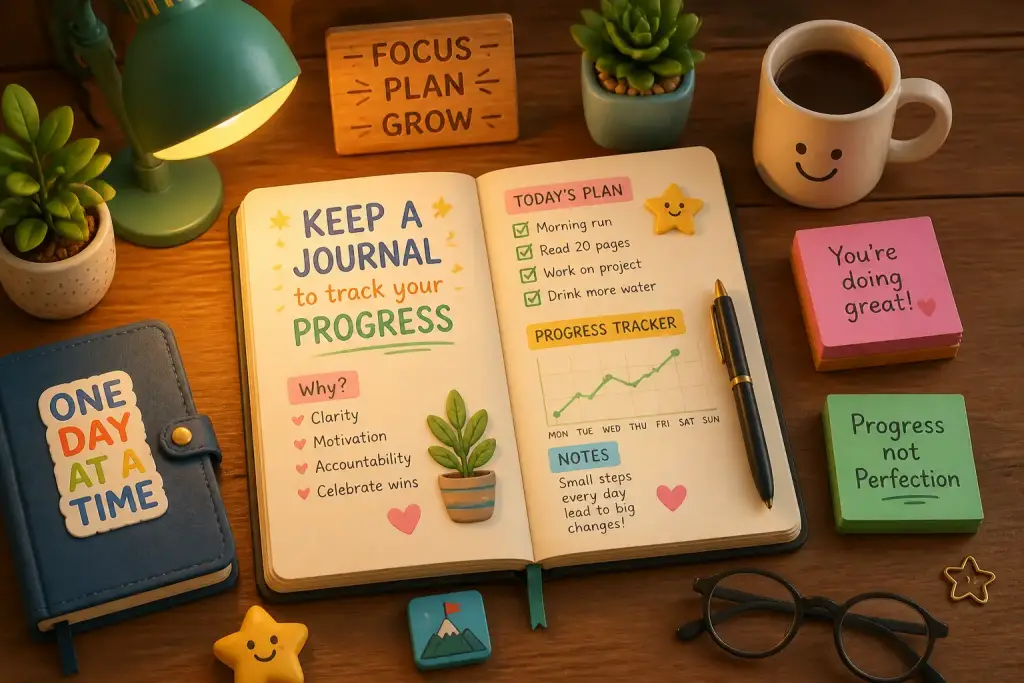
Tracking progress is vital for understanding how effective your daily plan is. Create a simple system to monitor what you accomplish each day. You can use a journal, spreadsheet, or a tracking app. Note down what skills you practiced, how long you spent, and any challenges faced.
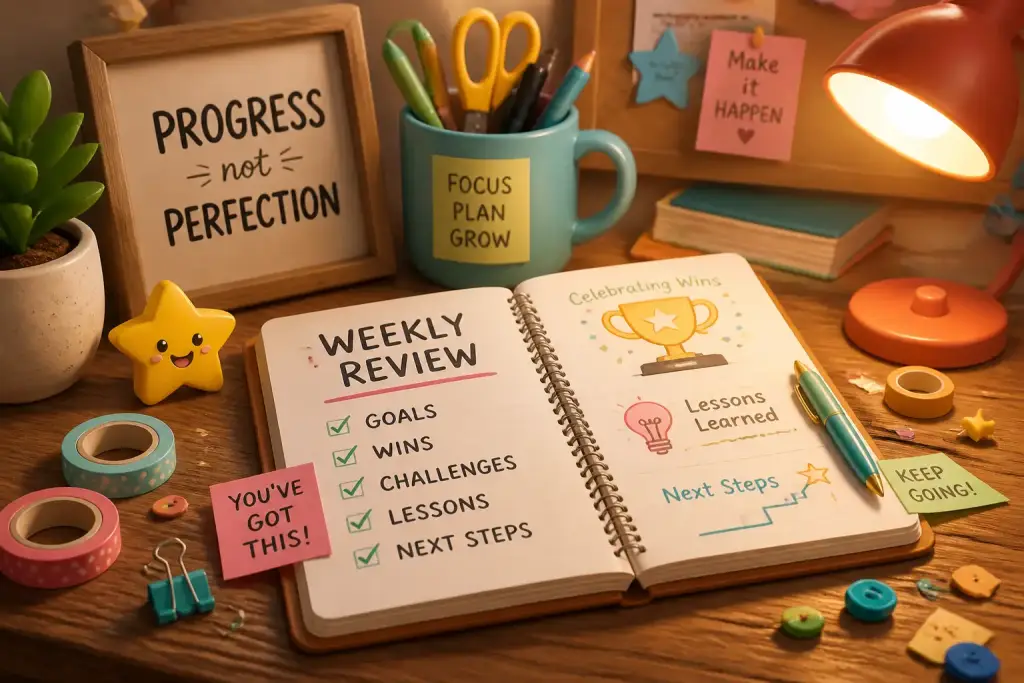
At the end of each week, review your achievements. Evaluate whether you met your goals and what areas need improvement. For instance, if you planned to write 500 words a day but only managed 300, reflect on why that happened. Was the goal too ambitious? Did distractions affect your focus?
This review not only highlights areas for improvement but also reinforces positive habits. Celebrating small successes can boost your confidence and motivation for continued practice.
Adjust Your Plan Regularly
Flexibility is key when it comes to your daily plan. Life can be unpredictable, and you may need to adjust your schedule based on unexpected events or changes in priorities. Regularly assess whether your plan still aligns with your goals.
If you find certain skills are taking longer to master, consider extending the time you allocate to them. Conversely, if you feel you have gained confidence in a skill, you might reduce the time spent on it. Adaptability enhances your learning experience and keeps you engaged.
Schedule a monthly review to reflect on your overall progress. This will allow you to make necessary adjustments and ensure that your daily plan remains relevant and effective.
Stay Motivated
Maintaining motivation is essential for sticking to your daily plan. Find ways to keep yourself inspired. Set rewards for achieving goals. For instance, after a week of consistent practice, treat yourself to something enjoyable, like a favorite meal or an outing with friends.
Consider joining a community of like-minded individuals who share similar goals. Engaging with others can provide support and encouragement. Online forums, social media groups, or local clubs can offer a sense of belonging and accountability.
Reading books or watching videos related to your skills can also provide fresh ideas and inspiration. Surrounding yourself with positivity can significantly enhance your motivation.
Share Your Journey
Sharing your journey can enhance your learning experience. Discussing your goals and progress with friends, family, or online communities creates accountability. You can inspire others while receiving support and feedback in return.
Consider starting a blog or social media account dedicated to your skill development journey. Documenting your experiences not only helps you reflect but also allows you to connect with others on similar paths.
Sharing challenges and successes builds a sense of community. It can also motivate you to keep going, knowing others are following your progress.
Long-Term Maintenance Tips
Creating a daily plan is just the beginning. Maintaining the skills you have developed is equally important. Once you feel confident in a skill, continue to practice it regularly, but adjust the frequency based on your needs. Instead of daily practice, you might switch to a few times a week.
Set new goals as you progress. For example, if you have improved your writing, consider working on different styles or genres. This keeps the practice fresh and exciting.
Lastly, remain open to learning. New resources, techniques, and insights can enhance your skills even further. Stay curious and embrace the journey of continuous improvement.

Arianna Fontana
Founder & Editor-in-ChiefOriginally from Italy, Arianna Fontana is the publisher and senior editor behind Top Success Way, dedicated to strategic analysis and real-world case studies and realistic retiree career inspiration solutions.